Kotoku Marsh (Kotokunuma): An Easy Oku-Nikko Nature Walk in Nikko Japan
Kotoku Marsh, or Kotokunuma, is a small spring-fed wetland high in Oku-Nikko, fed by a year-round spring that keeps the water below 15°C even in midsummer. That cold, pristine flow lets rare baikamo wildflowers bloom across the surface. It is an easy, beautiful nature stop, perfect for families, birders and photographers.
Marsh at a Glance
| Walk | ~300 m loop around the marsh; 5–10 min from the bus stop |
| Duration | 30–60 min |
| Difficulty | Easy — Grade I |
| Trailhead | Kotokunuma / Kotoku Onsen bus stop |
| Elevation | ~1,300 m |
| Type | Loop / nature stop |
| Best Season | Spring to late autumn (baikamo early–mid summer; foliage late October) |
| Bus Access | Tobu Bus toward Yumoto Onsen — All Nikko Pass |
Base yourself at Earth Hostel Nikko Riverhouse — free shuttle from Tobu Nikko or JR Nikko Station, then the Yumoto-bound bus to the marsh. A riverside hostel on the Kurokawa, in the mountains of southern Nikko.
A Spring-Fed Marsh That Never Warms
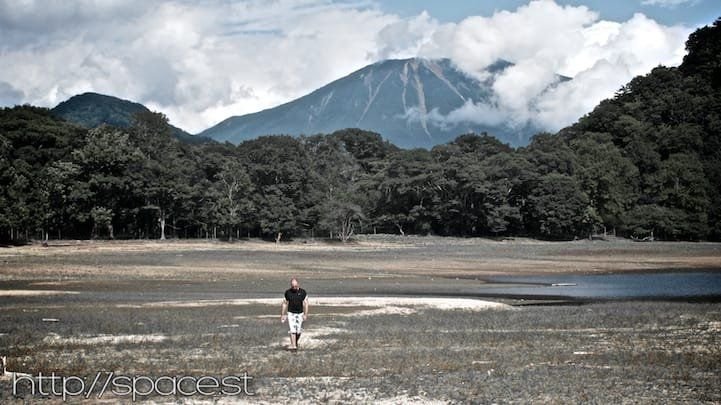
High in Oku-Nikko, off the Senjogahara–Yumoto corridor near Kotoku Onsen, sits one of the area’s quietest treasures: Kotokunuma (光徳沼, Kotoku Marsh). It is small — barely 300 metres around — and sits at roughly 1,300 m, ringed by white birch and Japanese oak. What makes it special is the water: a spring feeds the marsh year-round, and even at the height of summer the temperature never climbs above 15°C. This isn’t a hike so much as a highlight: a flat, easy detour off the bus that rewards you far beyond the effort. It is one of more than two dozen routes and nature spots covered in our Nikko hiking guide.
Baikamo: The Flower That Needs Cold Water
The marsh’s signature is baikamo (梅花藻), a rare aquatic wildflower that survives only in pristine, flowing water below 15°C. In early to mid-summer it blankets the surface with small white blossoms shaped like plum flowers, the bloom that gives it its name. Because baikamo is so particular about clean, cold water, a thriving stand of it is a living certificate of how pure this spring-fed wetland is. Come autumn, the marsh turns mirror-still and reflects the surrounding birch and oak in their fall colours, while groves of zumi (Siebold’s crabapple), easy to spot by their gnarled, twisted trunks, ring the water’s edge.
Getting There
By bus: From Tobu Nikko or JR Nikko Station, take the Tobu Bus bound for Yumoto Onsen (covered by the All Nikko Pass — see our access page). It is about 70 minutes to the Kotoku Onsen / Nikko Astraea Hotel stop, with a dedicated Kotokunuma stop nearby; from either it is a short, flat walk to the marsh.
By car: Parking is available near Kotoku Onsen and the Nikko Astraea Hotel; roughly 50–60 minutes from the Tobu/JR Nikko Station area up the Irohazaka and Oku-Nikko road.
From Earth Hostel: Take the free hostel shuttle to Tobu Nikko or JR Nikko Station (pickups 4:30 PM, 6:30 PM, 9:00 PM — from JR Nikko Station bus stand 1a or in front of Tobu Nikko Station; tell us your train line), then the Yumoto-bound bus. No curfew, so an early start for the morning light on the marsh is easy.
Combine With Senjogahara & Lake Yu
Kotoku Marsh is best paired into a wider Oku-Nikko day rather than visited alone. The same Yumoto-bound bus line links it to the Senjogahara marshland boardwalk and on to Lake Yu (Yunoko) and Yumoto Onsen. Kotoku Farm, a few minutes’ walk away, is known locally for its ice cream — a natural stop on a bike-or-bus day that strings the marsh, the boardwalk and the lake together. Strong walkers can also pick up the trail onward to the Karikomi and Kirikomi lakes from near Kotoku Onsen.
Who It’s For
Almost anyone. This is an easy, Grade I nature stop on flat ground, suitable for children, beginners, older walkers and anyone who wants Oku-Nikko’s scenery without a climb. Sturdy shoes are plenty; no special gear needed.
What to See
- Baikamo blossoms over the water, early to mid-summer
- Autumn reflections of birch and oak, peaking late October
- Zumi (Siebold’s crabapple) groves around the marsh edge
- Birdlife — the wetland is a favourite of naturalists and birders
Nearby After the Walk
- Yumoto Onsen: soak at the end of the bus line. Yumoto Onsen.
- Ryuzu Falls: a short ride back down the same road. Ryuzu Waterfall.
- Earth Hostel Nikko Riverhouse: head back to the hostel for a swim in the Kurokawa, the open-air riverside lounge, fireflies and the Milky Way after dark.
Frequently Asked Questions
What is Kotoku Marsh?
Kotoku Marsh (Kotokunuma) is a small spring-fed highland wetland in Oku-Nikko, inside Nikko National Park, famous for rare baikamo wildflowers that grow only in cold, pristine water below 15°C.
How do I get to Kotoku Marsh from Nikko Station?
Take the Tobu Bus toward Yumoto Onsen from Tobu Nikko or JR Nikko Station (about 70 minutes) to the Kotoku Onsen or Kotokunuma stop, then a short flat walk. The All Nikko Pass covers the fare.
Is Kotoku Marsh worth visiting?
Yes, especially paired with the Senjogahara boardwalk and Lake Yu on the same bus line. It is quiet, easy, and one of the purest spring-fed wetlands in the region.
When do the baikamo flowers bloom?
Early to mid-summer, when the white plum-shaped blossoms cover the water. Autumn (late October) is the other highlight, for foliage reflections.
Is it suitable for families and beginners?
Yes. It is a flat, easy, Grade I nature stop with no climbing, fine for children and first-time visitors.
Plan Your Visit from Earth Hostel
Earth Hostel Nikko Riverhouse is a riverside hostel on the Kurokawa, in the mountains of southern Nikko. From here the free shuttle runs to Tobu Nikko or JR Nikko Station, where the Yumoto-bound bus carries you up into Oku-Nikko for the marsh, the boardwalk and the lakes. No curfew (music off 10 PM), so early starts for the best light are easy. See our rooms and access pages to plan the trip.
See all hiking trails in Nikko ›