Senjogahara Hiking Trail Guide — Nikko Japan
Senjogahara is a flat 6.3 km boardwalk trail across a highland marsh plateau at 1,400 m in the mountains of Nikko, Japan. It runs from Ryuzu Falls to Yumoto Onsen along the Yu River, takes 2.5–5 hours one way, and is rated easy with almost no climbing — making it one of the most accessible serious-nature hikes in Japan. Best walked spring to late autumn, with bus access via the All Nikko Pass.
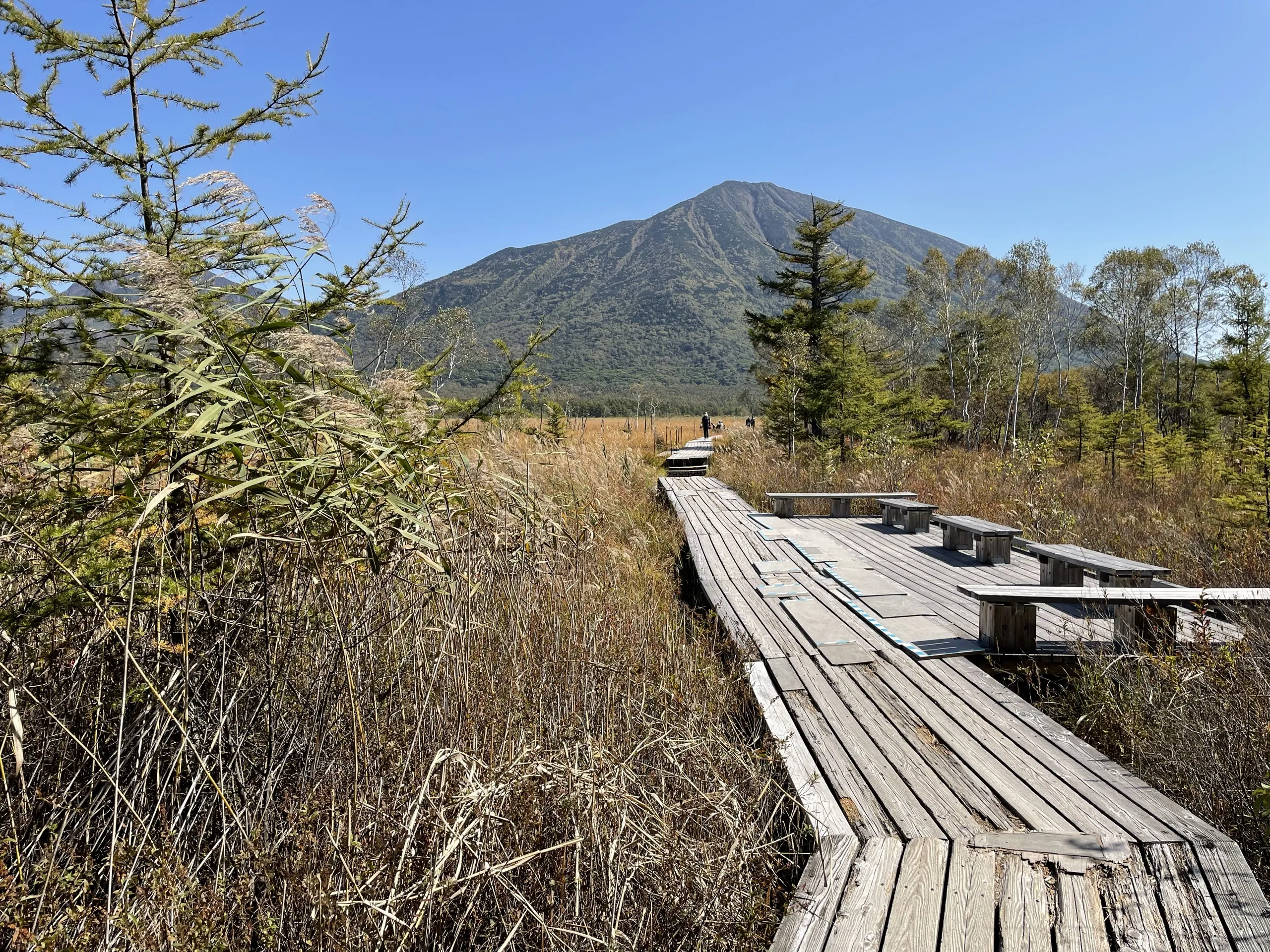
Senjogahara is the most beautiful hike in Nikko — and one of the most accessible in all of Japan. This 6.3 km plateau trail follows the Yu River (Yukawa) along a wooden boardwalk through a vast highland marshland, at 1,400 metres above sea level. From the starting point at Ryuzu Falls, the path winds north through open wetlands, dense forest corridors, and natural river bends, ending at Yumoto Onsen where a hot spring bath makes the perfect reward. The views shift constantly: Nantai Mountain to the east, Lake Yu to the north, and the wide open sky above the golden marsh grass. Suitable for all fitness levels — no climbing required. Senjogahara is one of more than two dozen routes in our Nikko hiking guide.
Trail at a Glance
| Distance | 6.3 km (main trail, one way) |
| Duration | 2.5 – 5 hours |
| Difficulty | Easy — Grade I (flat boardwalk) |
| Trailhead | Ryuzu Falls bus stop |
| End Point | Yumoto Onsen bus stop |
| Elevation | ~1,400 m (plateau, minimal climb) |
| Trail Type | Point-to-point (bus back or return on foot) |
| Best Season | spring to late autumn |
| Bus Access | Yumoto Onsen Pass or All Nikko Pass (buy before arriving) |
| National Park | Yes — Nikko National Park |
Stay at Earth Hostel Nikko Riverhouse — free shuttle from Nikko Station, then by bus to the Senjogahara trailhead.
What Makes Senjogahara Special
Senjogahara means “battlefield” in Japanese — but only in mythology. The name refers to a legendary battle between the gods Futarasan and Akagi. Today the plateau is one of Japan’s most protected highland wetlands, a high alpine bog formed in a volcanic basin at 1,400 m above sea level.
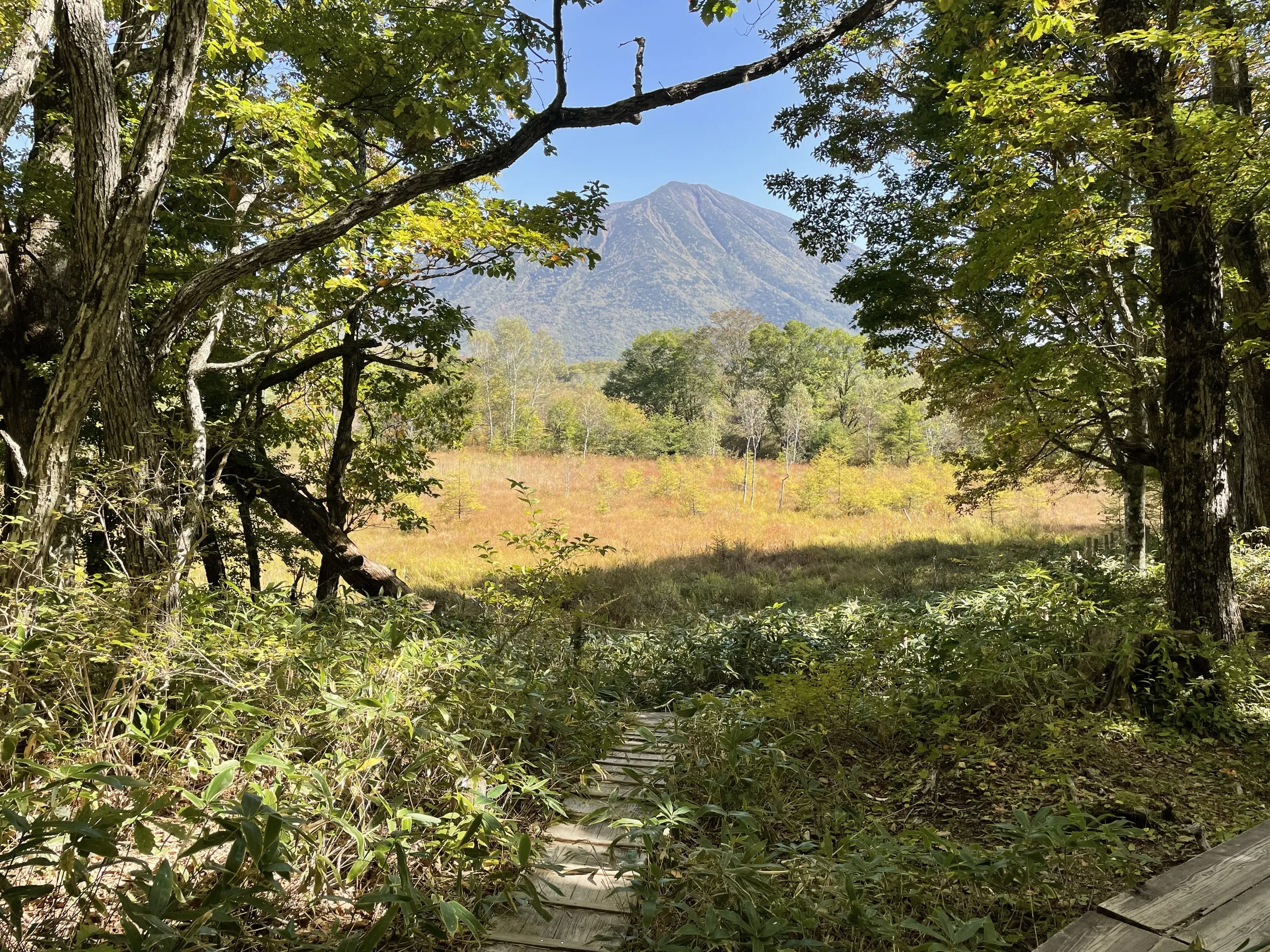
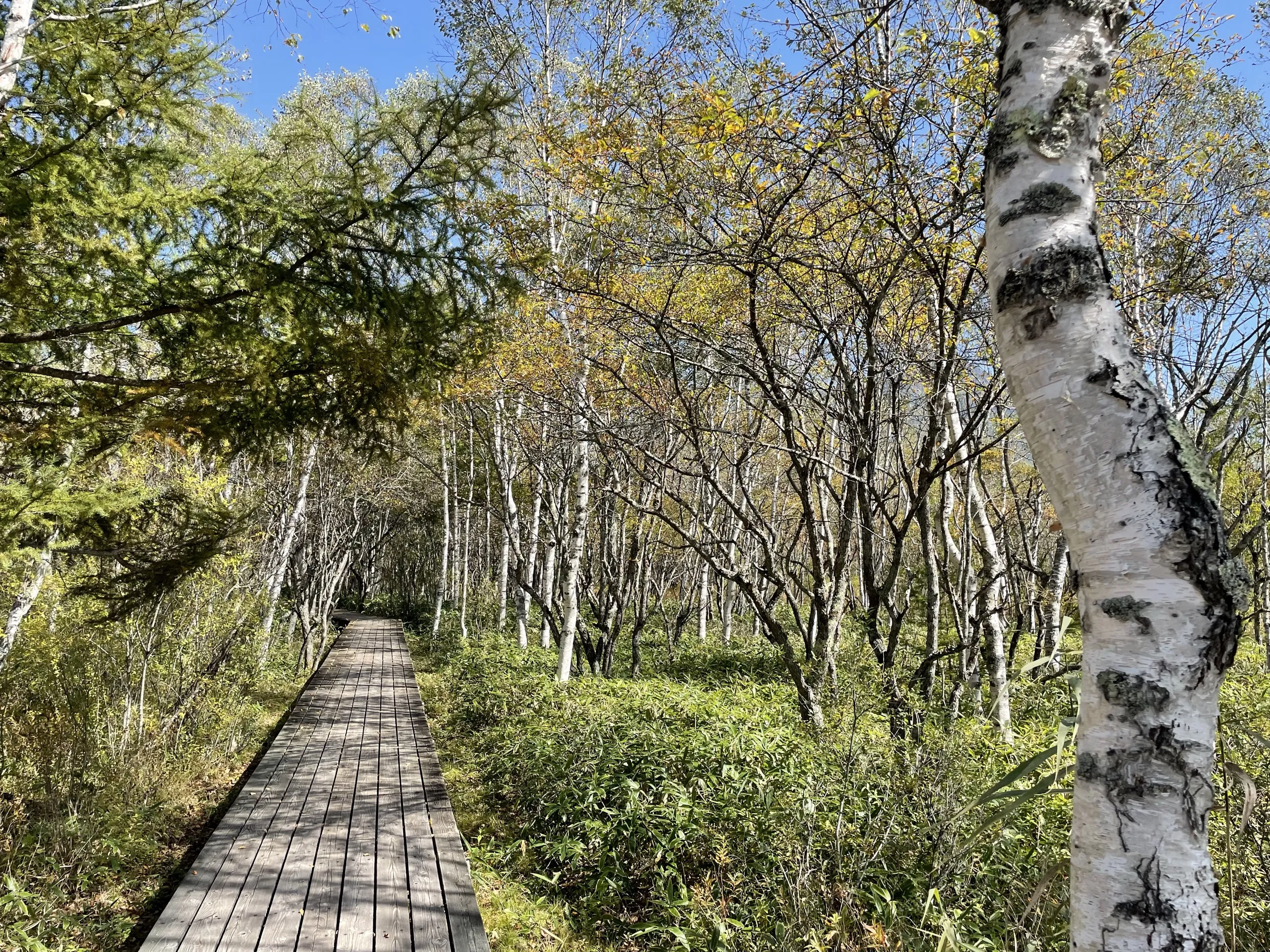
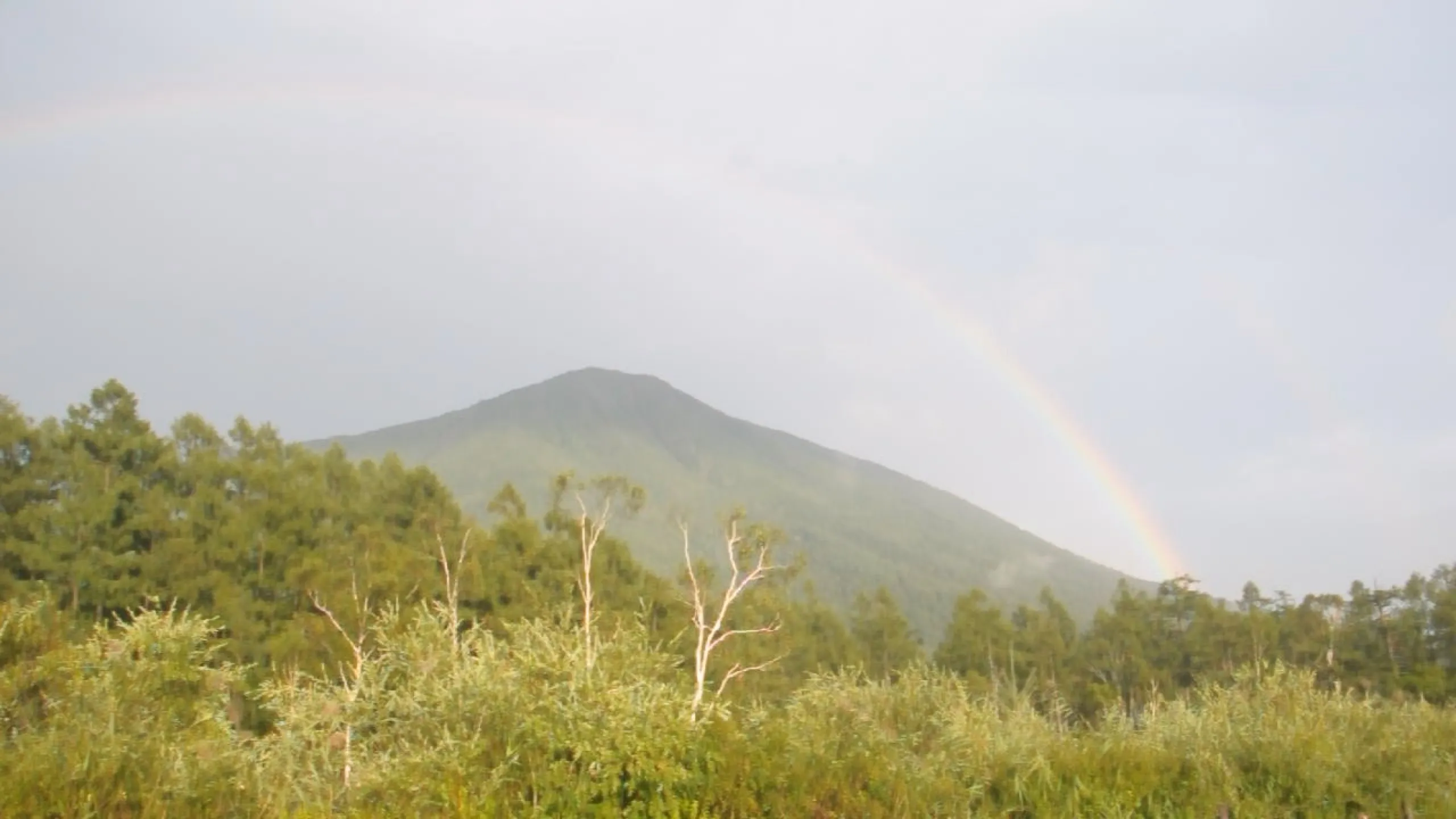
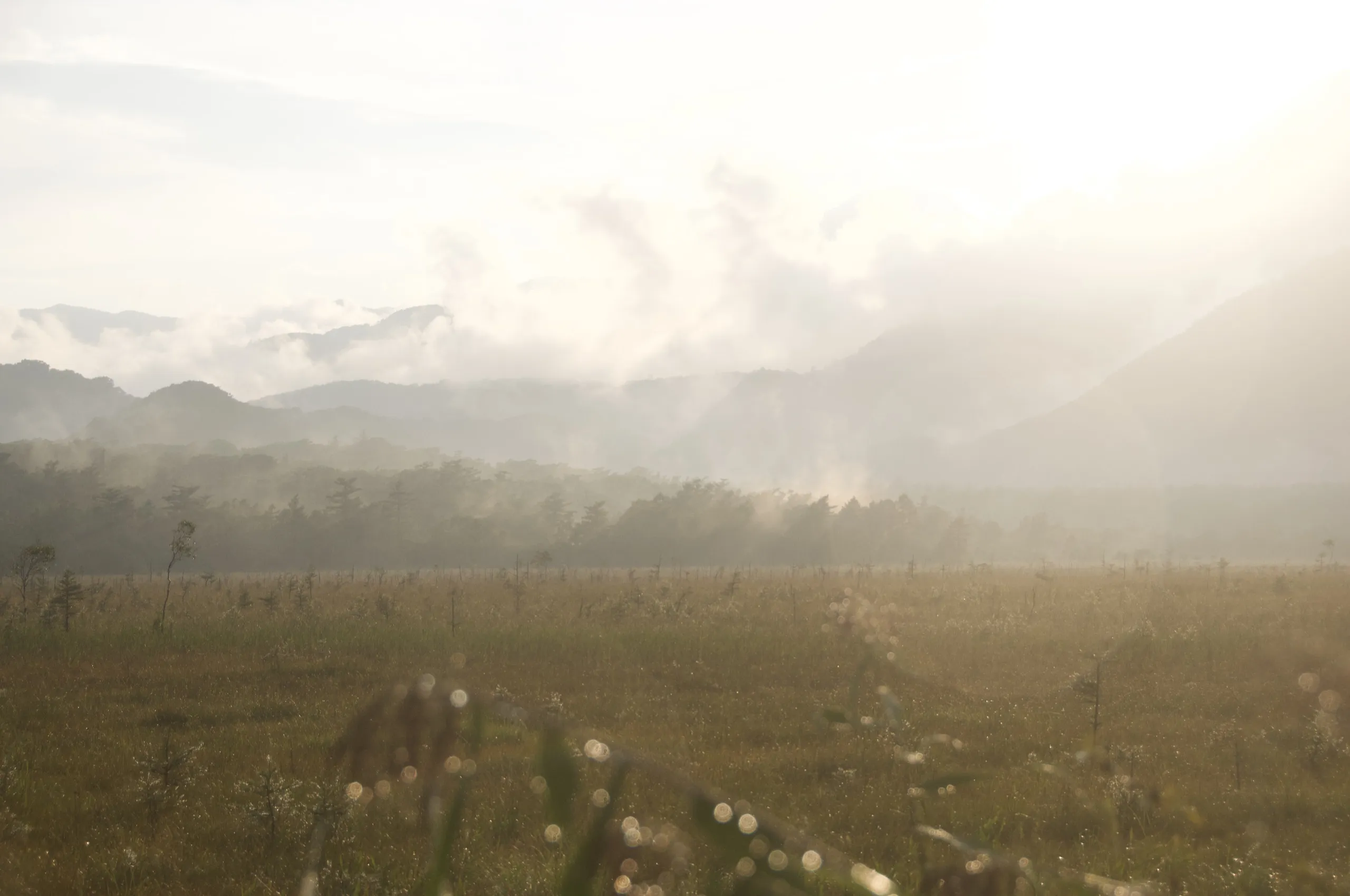
Unlike Nikko’s more dramatic mountain hikes, this trail earns its magic through atmosphere rather than altitude. In summer, the boardwalk cuts through green marshland thick with wildflowers and the sound of running water. In autumn, the whole plateau turns a deep amber gold, framing the volcanic cone of Nantai Mountain like a painting. In late March and early November, you can walk through snow while the sky stays bright and clear. Wildlife is abundant: ducks on the river, woodland birds throughout, deer at dusk, and on lucky mornings, foxes.
Getting to the Senjogahara Trailhead
The most important tip: buy your bus pass in Tokyo or at Tobu Nikko station before heading out. Paying the bus driver directly costs significantly more.
Recommended passes:
• All Nikko Pass — covers trains from Asakusa (Tokyo) and all buses in the Nikko area. Best value if coming from Tokyo.
• Yumoto Onsen Pass or Senjogahara Pass — covers buses from Tobu/JR Nikko stations to the plateau and back.
By bus from Nikko station: Take the World Heritage Bus or Tobu Bus toward Yumoto Onsen. Get off at Ryuzu Falls (竜頭の滝) bus stop. Journey time: approximately 40–50 minutes. Buses run regularly from April through November.
Alternative start — Akanuma bus stop: If you prefer an easier or shorter start, board one stop further to Akanuma. This cuts a small elevation section and starts directly on the flat river trail.
From Earth Hostel: The hostel’s free shuttle drops guests at JR Nikko or Tobu Nikko station between 6–10 AM. From there, take the bus to Ryuzu Falls. Total journey from hostel to trailhead: approximately 50–60 minutes.
The Trail: Ryuzu Falls to Yumoto Onsen
Ryuzu Falls (start): Ryuzu Falls (“Dragon’s Head”) is one of the most photographed spots in Nikko, especially in October when maples frame the cascade in deep red and orange. Spend 10–15 minutes here before the trail. The path begins on the north side of the waterfall, leading up to the plateau.
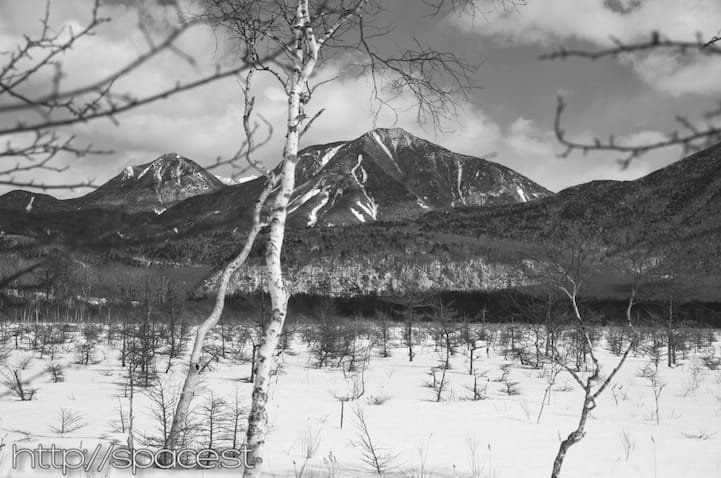
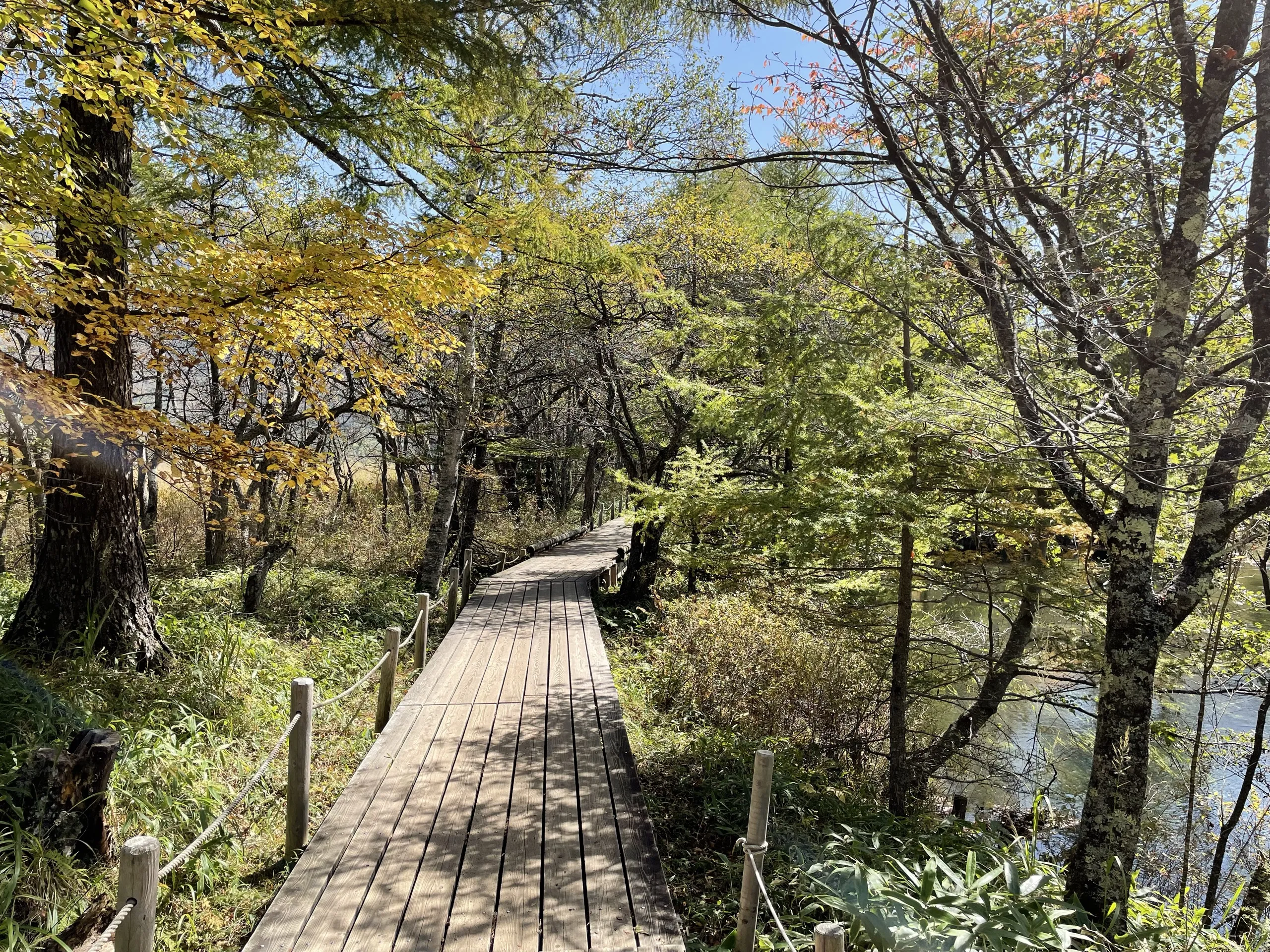
Enter the plateau marshland (~20 min from start): The boardwalk begins as you step out of the tree line onto the open plateau. The Yu River appears on your left, slow and winding. The marsh stretches wide in both directions — on clear days, Nantai Mountain fills the skyline to the east. This is the section most people photograph.
Akanuma junction (~45–60 min): A junction appears where the Akanuma bus stop trail connects. There are picnic tables here — a good rest stop. Continue north toward Yumoto Onsen, or exit east to Akanuma if you want to finish early.
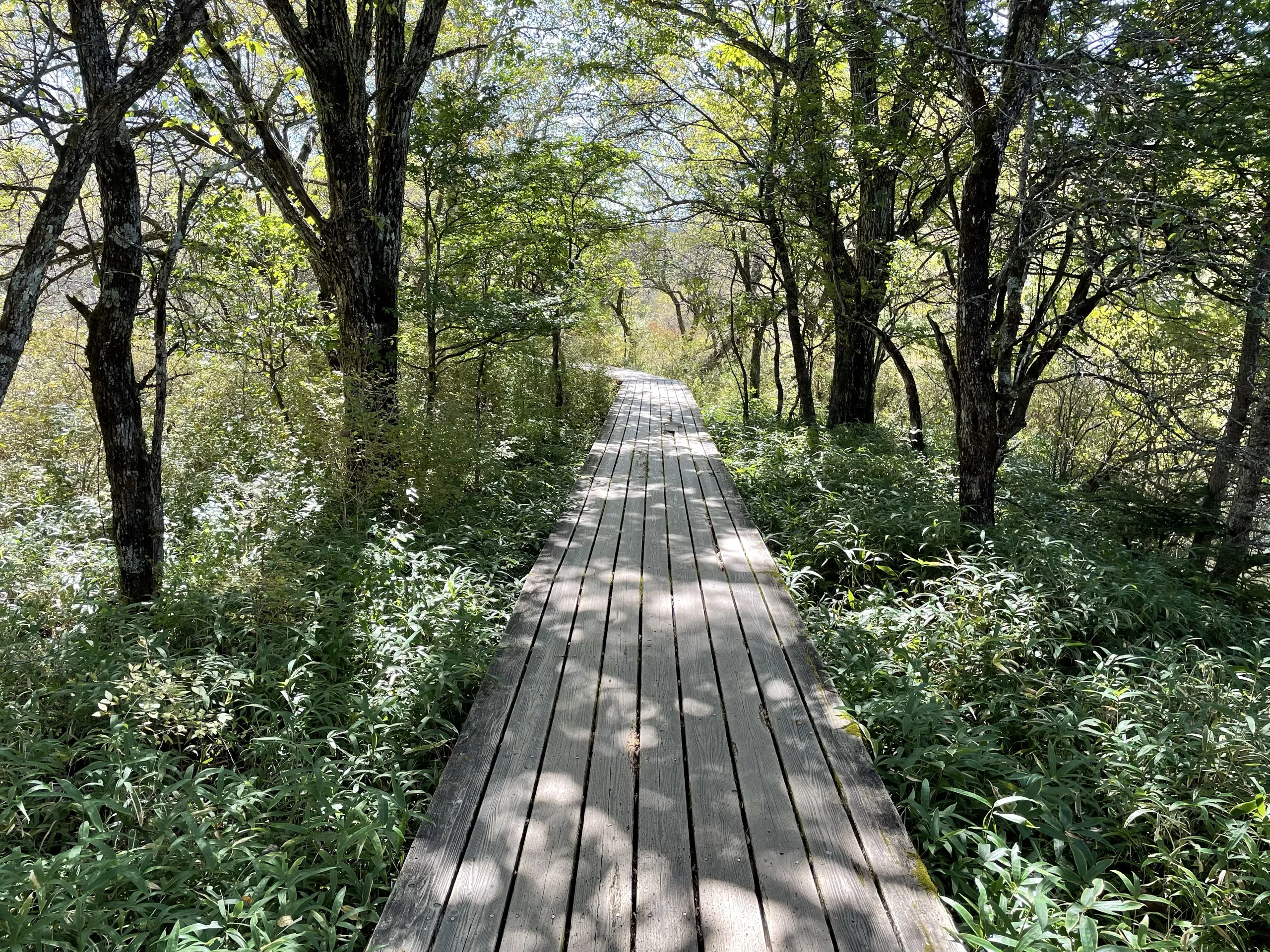
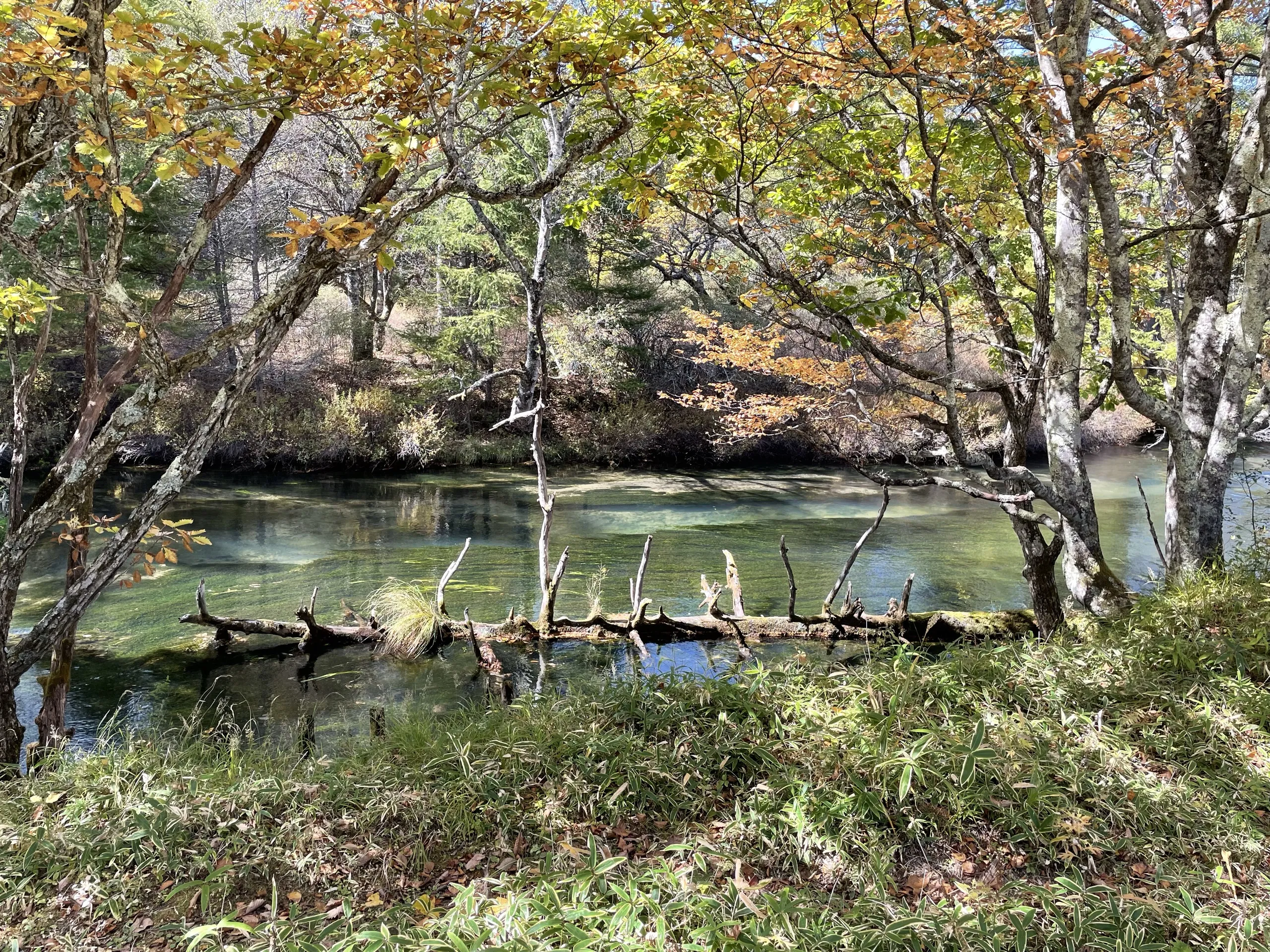
Yu River bends and forest section (~2–3.5 hours from start): The trail weaves through forest and open marsh, crossing wooden footbridges. The river’s colour — pale glacial green in summer, dark and slow in autumn — is striking throughout this section.
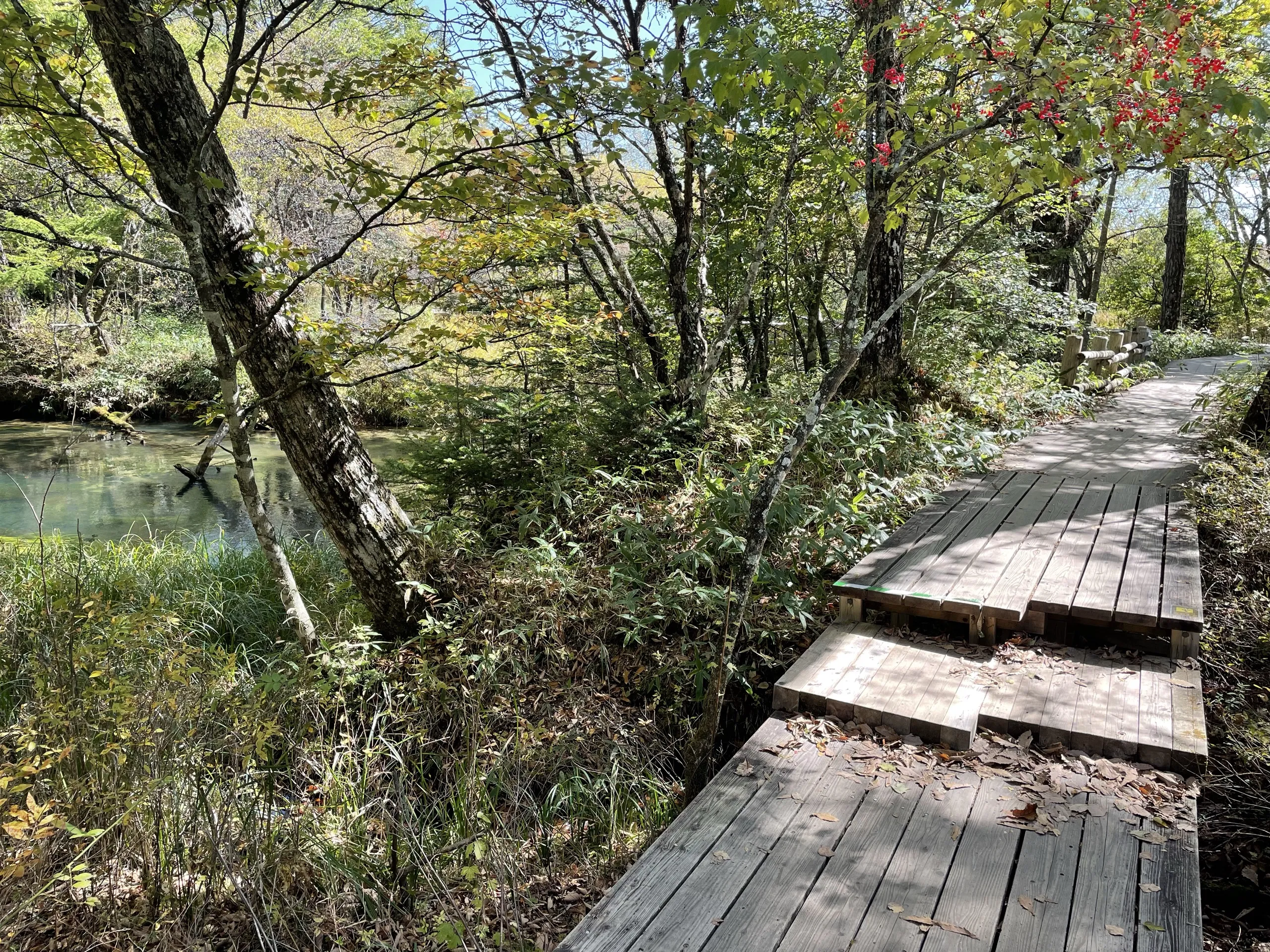
Yumoto Onsen (end): The plateau opens again as you approach Yumoto Onsen. The small lakeside resort town marks the end of the trail. Buses depart from here back to Nikko station. From Yumoto, you can also extend toward Yunoko (湯ノ湖, Lake Yu).
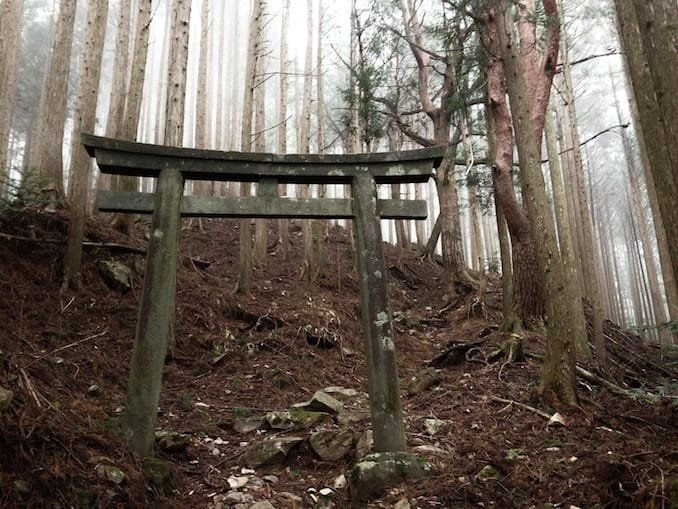
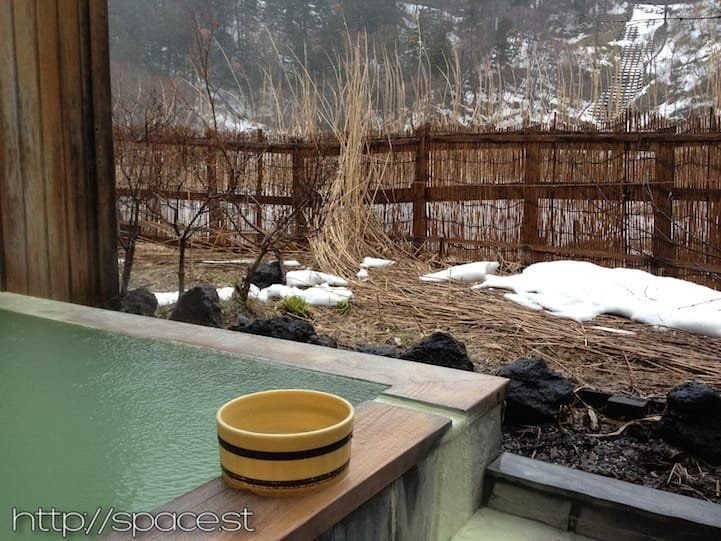
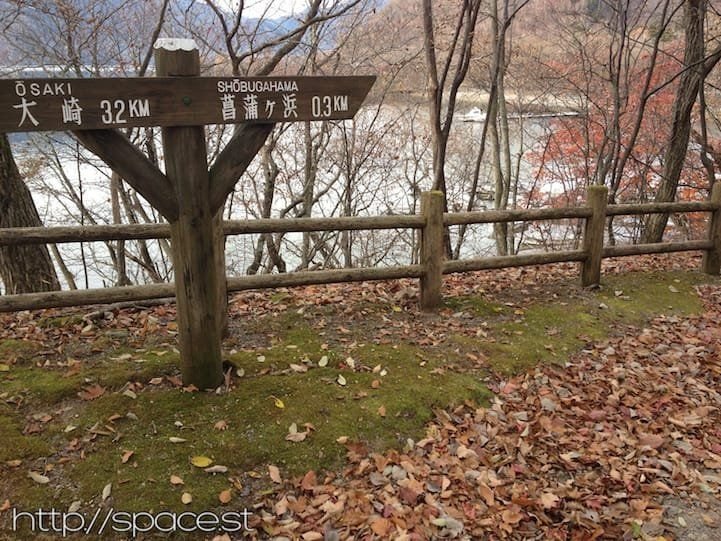
Trail Photos
Best Season & Trail Conditions
| Season | Conditions | Notes |
|---|---|---|
| Late March – April | Snow on plateau; clear skies | Bring waterproof boots. Peaceful and atmospheric. |
| May – June | Green and lush; flowers beginning | Ideal for first-time visitors. Quieter crowds. |
| July – August | Full summer green; warm days | Start early. Deerflies active near river in July. |
| September – October | Peak autumn leaves; October is spectacular | Take the first morning bus to beat crowds at Ryuzu. |
| Early November | Snow returning; golden light; quiet trail | One of the most beautiful — and emptiest — times to hike. |
| December – February | Not recommended; buses reduced | Check Tobu Bus schedule if attempting in winter. |
What to Bring
• Comfortable walking shoes or trail runners (boots not required)
• Water: at least 1.5 litres per person (no reliable sources on trail)
• Rain jacket — the plateau is exposed and weather changes quickly at altitude
• Sun hat and sunscreen (little shade on open plateau sections)
• Snacks — the only food at the end is at Yumoto Onsen
• Bus pass (buy in advance — see above)
• Offline maps downloaded (signal patchy on the plateau)
Extend the Hike
+ Lake Yu (Yunoko): From Yumoto Onsen, walk a further 30 minutes to Lake Yu for a beautiful lakeside loop. Add 3 km and 1.5 hours.
+ Sainoko (西ノ湖, Lake Sai, West Lake): From the Akanuma junction, branch east for 3–4 additional hours to reach remote Lake Sai. Grade II terrain.
+ Odashirogahara: Continue north of Senjogahara for 7.2 km of additional marshland. Add 2.5 hours.
+ Snow hike: Read our snow hiking guide to Senjogahara for late March and early November conditions.
Frequently asked questions
How long does the Senjogahara boardwalk take?
6.3 km from Ryuzu Falls to Yumoto Onsen, 2.5 to 5 hours depending on pace and how long you spend at the viewpoints. The trail is almost entirely flat wooden boardwalk across the marsh, so the time is about distance rather than effort.
Is Senjogahara suitable for beginners and children?
Yes. It is Grade I, with almost no climbing, and the boardwalk keeps your feet dry and the route obvious. It is the trail we point people to when they want real highland scenery without a mountain day. Bring water — there is no shade across the open marsh.
Do I have to walk back the same way?
No. Most people walk it one way and take the bus back from Yumoto Onsen, which is what makes it manageable as a half day. The same bus line runs the length of the route, so you can also start at Akanuma instead of Ryuzu Falls to shorten the walk, or simply go out as far as you like on the boardwalk and return the same way.
What is the best base for hiking Lake Chuzenji and Senjogahara?
Somewhere you can leave early and come back late without watching the clock. Senjogahara is a one-way trail that ends at Yumoto Onsen, so the return depends on catching the bus back down — easier when nobody is waiting on a curfew at the other end. Earth Hostel Nikko Riverhouse runs a free shuttle to Tobu Nikko Station or (JR) Nikko Station from 6 to 10 AM for the morning bus, and collects guests again at 4:30 PM, 6:30 PM and 9:00 PM. We have walked this trail in every season and will talk you through bus times and what to pack at check-in.
When is the best season for Senjogahara?
Spring to late autumn. Early summer brings the marsh into flower, and late October turns the whole plateau gold. The boardwalk also carries a snow season at either shoulder — see our snow hiking guide to Senjogahara for those conditions.
Is there an onsen at the end of the trail?
Yes. Yumoto Onsen sits at the northern end, so the hike finishes at a hot spring. It is the reason most people walk this direction rather than the reverse.
Book Direct At Earth Hostel Nikko Riverhouse
Hike Senjogahara from Earth Hostel
Earth Hostel Nikko Riverhouse sits on the Kurokawa (Black River) in the mountains of Nikko. Our free shuttle gets you to Nikko Station, from where it’s 40–50 minutes by bus to the Senjogahara trailhead. No curfew means early starts and late returns are never a problem. When you get back, the river beach is right outside the door.
We’ve hiked Senjogahara in every season and are happy to advise on bus times, what to pack, and how to combine it with other trails. Just ask at check-in. See all hiking trails in Nikko ›
Trail conditions, bus schedules, and pass prices can change — check with Tobu Bus or ask at the hostel before heading out.