Yumoto Onsen Guide — Nikko’s Mountain Hot Spring
Yumoto Onsen is a sulfuric hot spring village at 1,470 metres, the end of the Tobu Bus line in the mountains of Nikko National Park. Its milky blue-white water, day-bathing ryokan, and the Senjogahara boardwalk and Lake Yu trails make it a natural endpoint for a full hiking day. Best from spring to late autumn. Base yourself at Earth Hostel Nikko Riverhouse.
Yumoto Onsen is the furthest point on the Tobu Bus route from Nikko — the end of the line at 1,470 metres above sea level, set in a small mountain valley surrounded by the peaks of Nikko National Park. It is not a hiking trail in itself, but it is where several of the area’s most significant trails converge: the end of the Senjogahara boardwalk, the gateway to Lake Yu, the trailhead for Shirane Mountain, and the start of the Lake Karikomi & Lake Kirikomi trail. What keeps hikers at Yumoto after a long day on the trail is what the name promises: hot spring water, bubbling up from the volcanic ground in iridescent colours, filling the baths of dozens of traditional inns that cluster around the source. Yumoto is where several of the routes in our Nikko hiking guide converge.
Yumoto Onsen Quick Facts
| Elevation | ~1,470 m above sea level |
| Bus Access | Tobu Bus end of line — Yumoto Onsen Pass or All Nikko Pass |
| Journey from Nikko | 60–75 minutes by bus |
| Onsen type | Sulfuric hot spring — iridescent milky blue-white water |
| Day bathing | Available at select ryokan (higaeri nyuyoku) — approx ¥500–¥1,500. Ask at the Nikko Yumoto Visitor Center for a current list of open baths. |
| Free foot bath | Anyo-no-yu (あんよの湯) — open spring to late autumn |
| Temple | Onsenji (温泉寺, Onsen Temple) |
| Best for bathing | Winter (dramatic steam, snow soak) |
| Best for scenery | Spring to late autumn |
| Camping | Yumoto Campground (base for Shirane Mountain) |
Stay at Earth Hostel Nikko Riverhouse — free shuttle from Tobu Nikko Station or (JR) Nikko Station, running multiple times daily. Yumoto Onsen is the natural endpoint for a full Senjogahara + Lake Yu day.
The Hot Spring Source
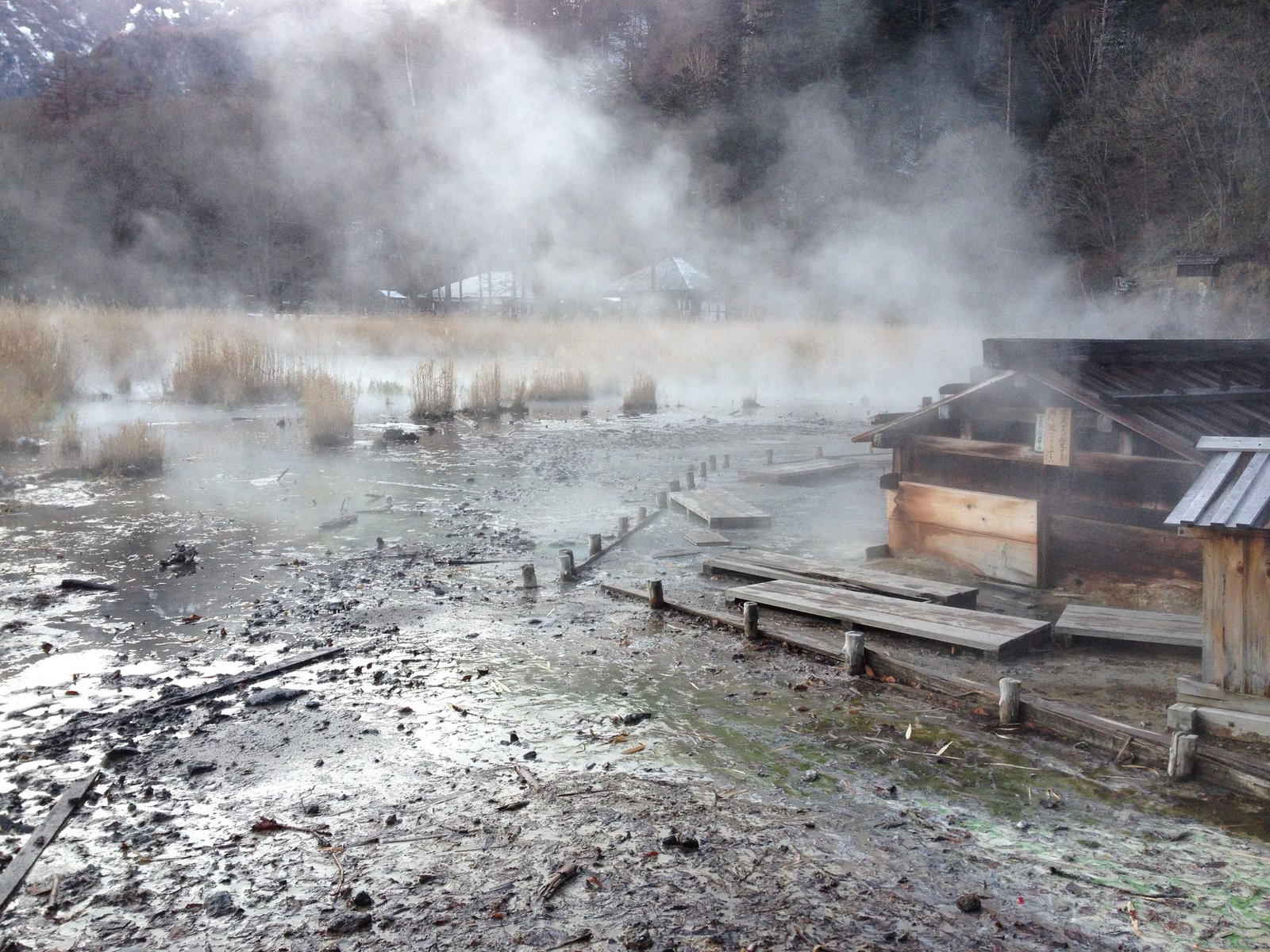
What makes Yumoto different from most onsen towns is that the source itself is visible and accessible. Behind the inns, a boardwalk of wooden planks leads through a sludgy, steaming area where sulfuric water bubbles directly out of the ground. This is Yunodaira (湯ノ平), the source field that feeds every bath in the village. The colours here are extraordinary: iridescent yellows, milky blues, and sulfuric greens, with steam rising in dense clouds against the mountain air. Structures have been built over the main vents to channel and control the flow.
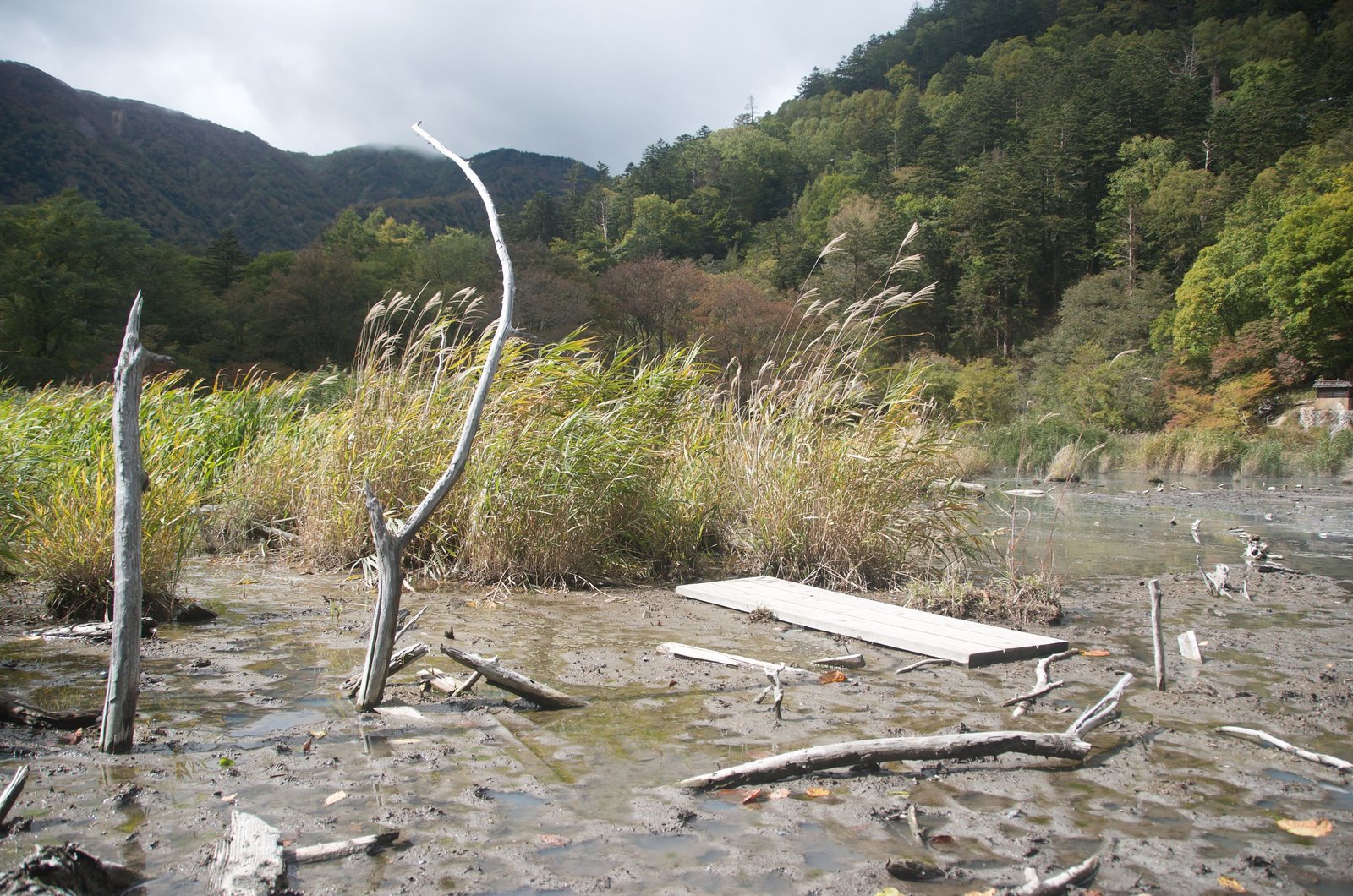
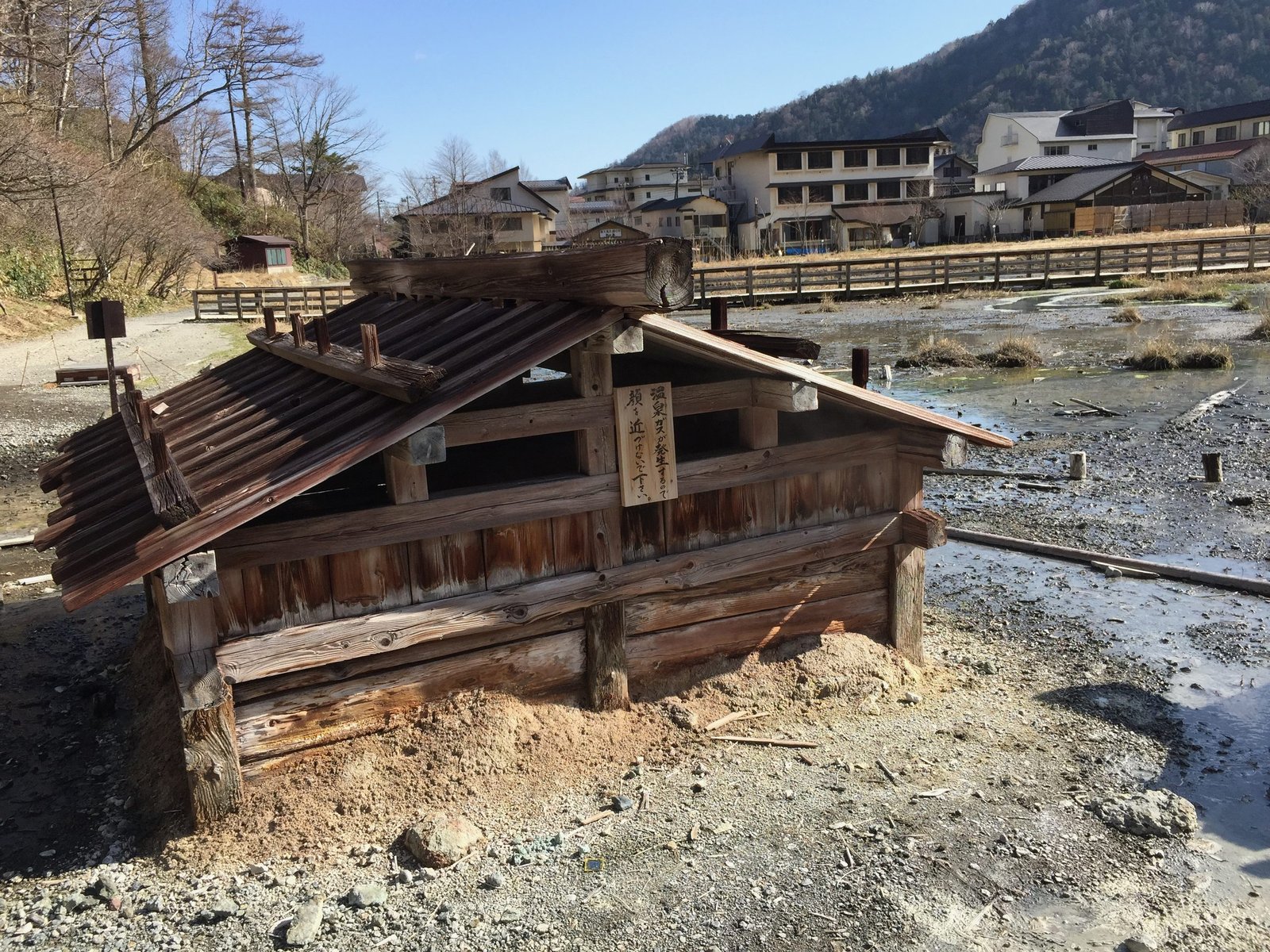
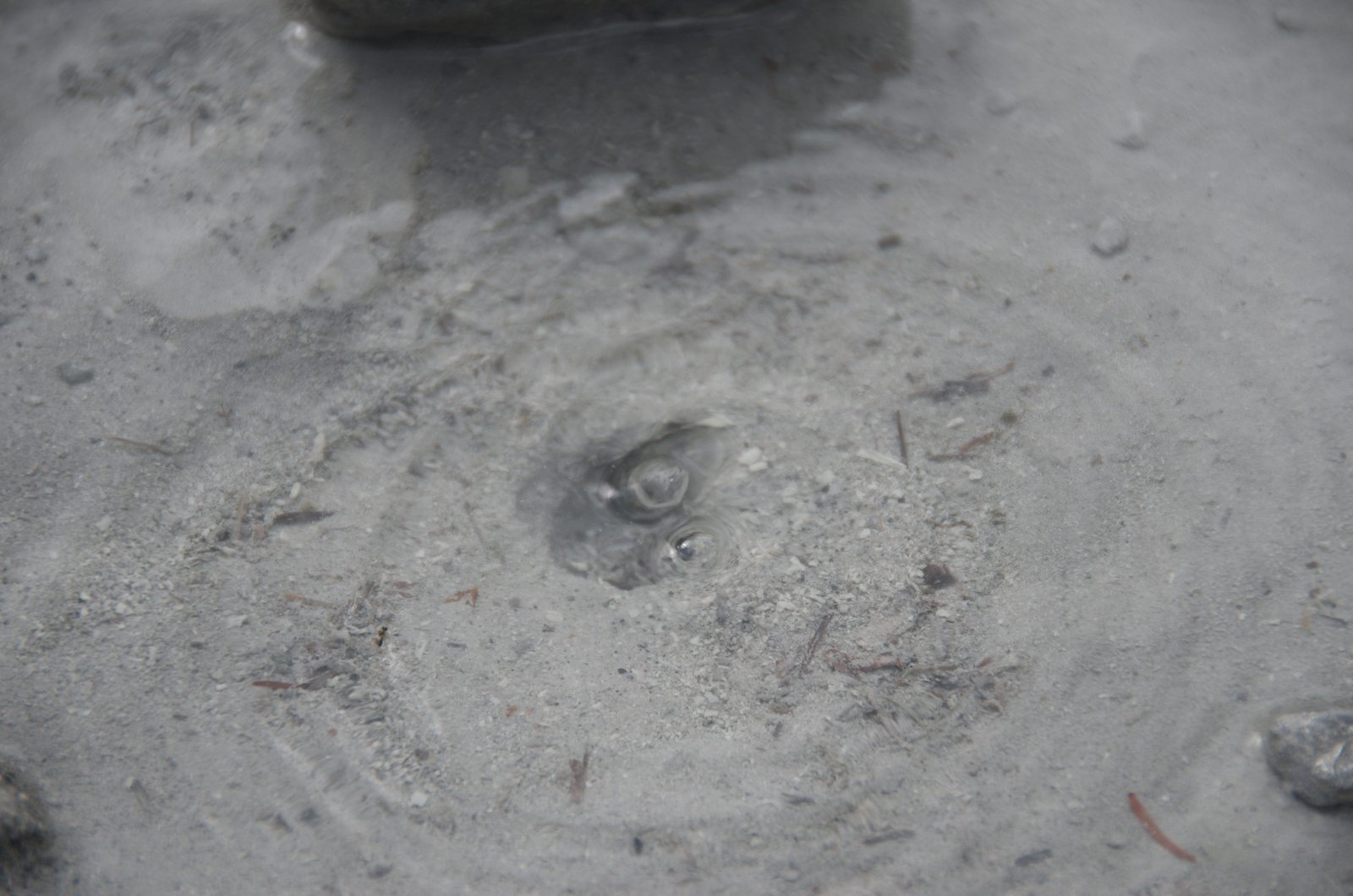
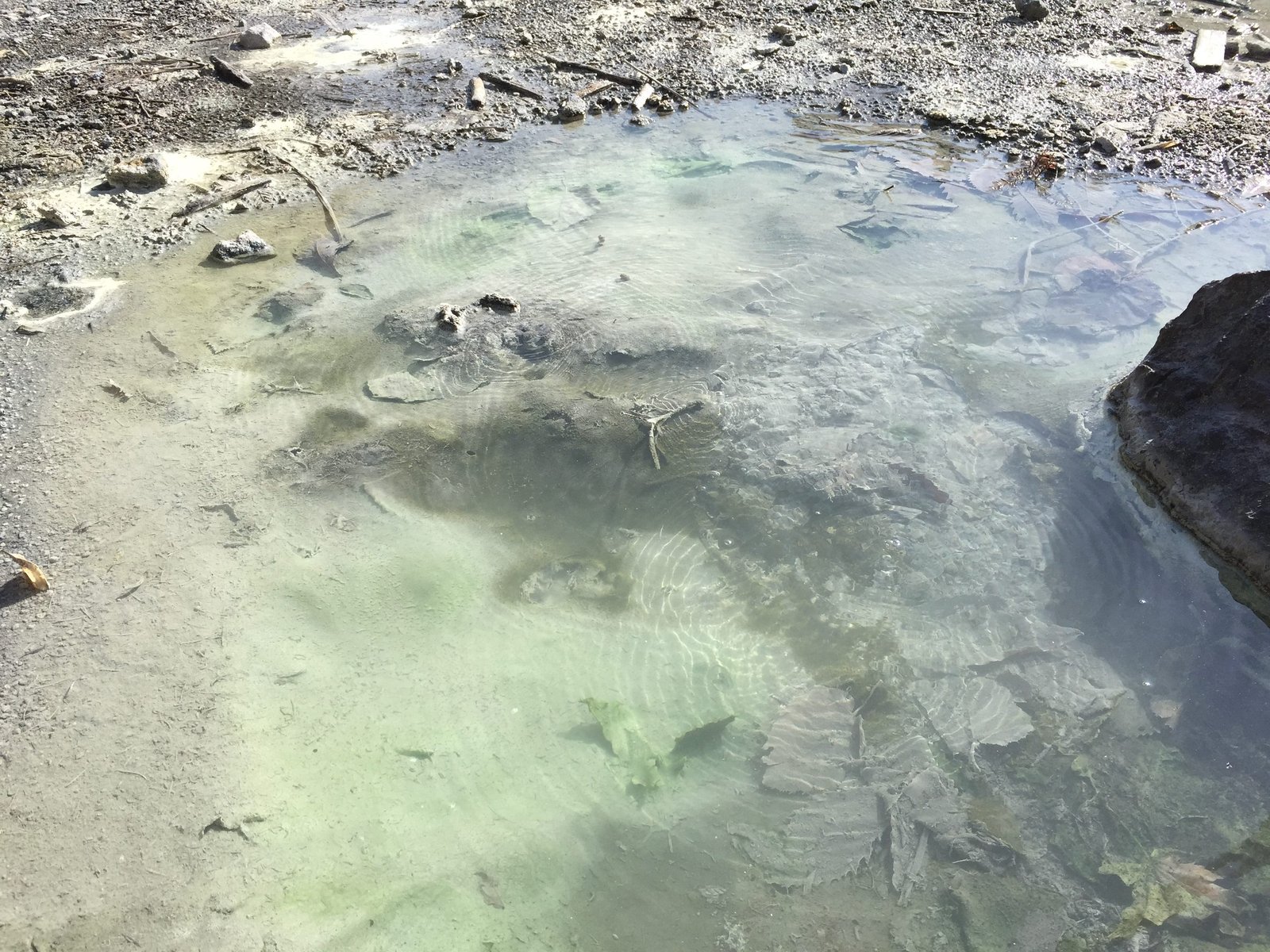
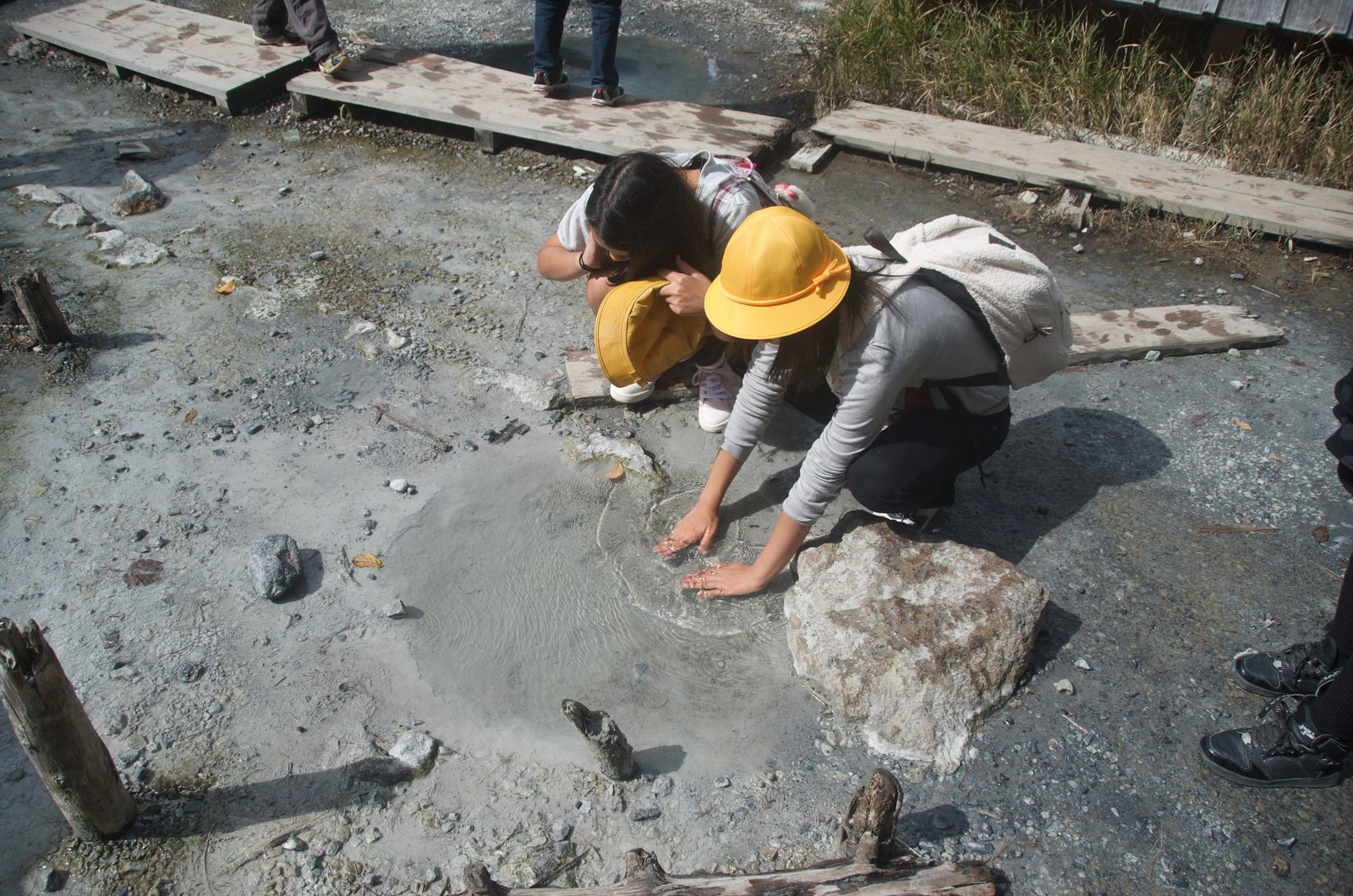
Visitors can walk the wooden plank path freely. Wear shoes you don’t mind getting damp — the surrounding ground is wet and the steam leaves surfaces slick. The source walk takes about 15–20 minutes. At night, with the steam lit against dark sky and the surrounding forest, it is one of the most atmospheric natural sights in Nikko National Park.
The Onsen Baths
Dozens of hot-spring inns (ryokan) are clustered north of Lake Yu and south of the source, near the Lake Karikomi trailhead. The onsen water is milky and mineral-rich, fed directly from the sulfuric source. Many — but not all — ryokan offer day-use bathing (higaeri nyuyoku) for approximately ¥500–¥1,500 per person without a stay. Openings vary by day and season, so the reliable move is to stop at the Nikko Yumoto Visitor Center first — they keep an up-to-date list of which baths are open to non-guests. After a full-day hike on Senjogahara, Shirane, or any of the surrounding trails, soaking here before the bus home is the most natural and satisfying way to end the day.
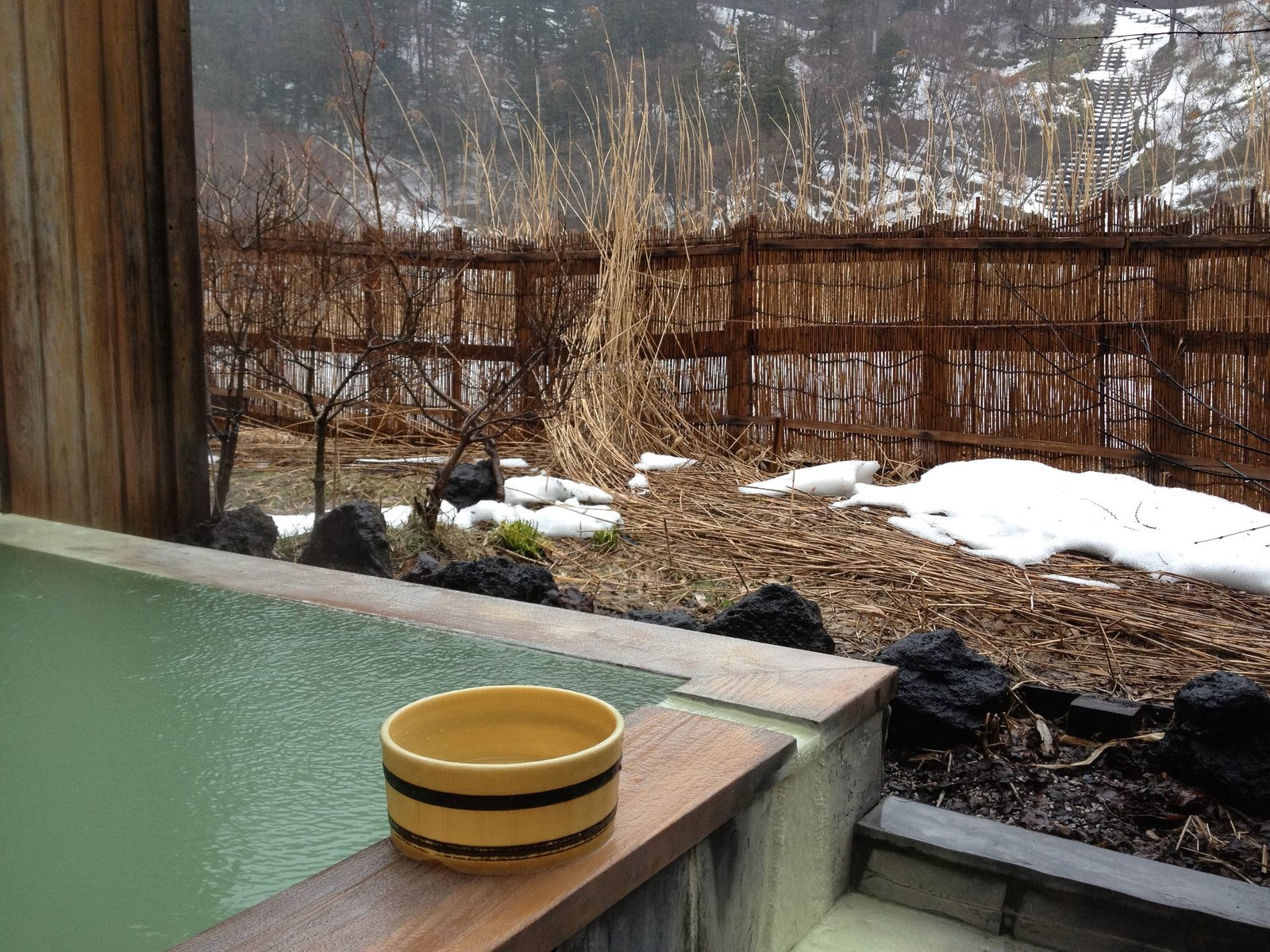
The characteristic sulfur smell of Yumoto’s water is stronger than most Nikko onsen and lingers pleasantly. Baths are typically indoor with views of the surrounding forest and mountains, and some ryokan have outdoor rotenburo (open-air baths).
Anyo-no-yu — The Free Foot Bath
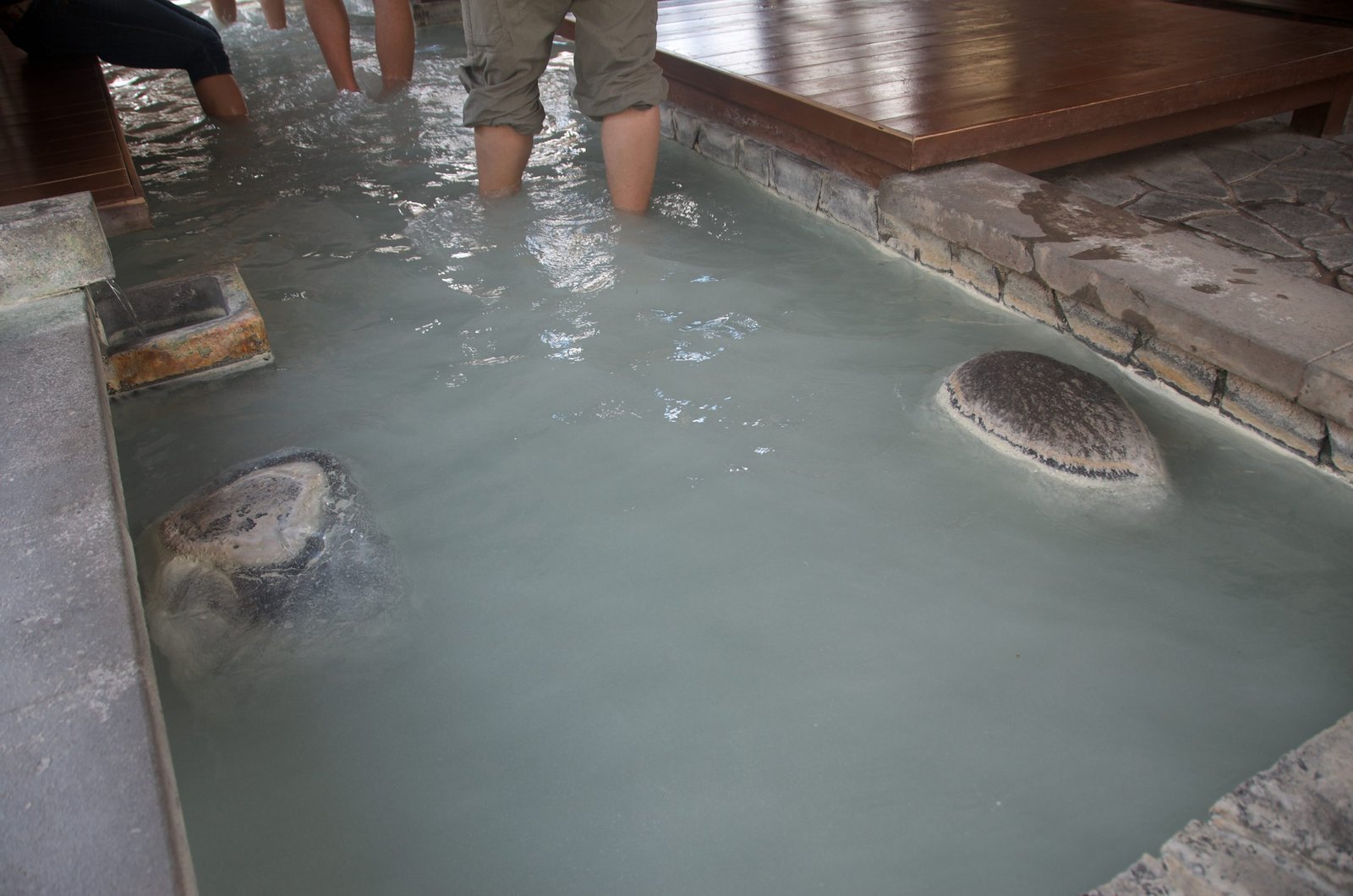
If the ryokan baths are closed or you’re short on time, Anyo-no-yu (あんよの湯) is a free public foot bath (ashiyu) in the centre of the village. Fed by the same sulfuric source as the ryokan baths, it’s an ideal quick soak after Senjogahara or before catching the bus home. Note that Anyo-no-yu is closed during winter.
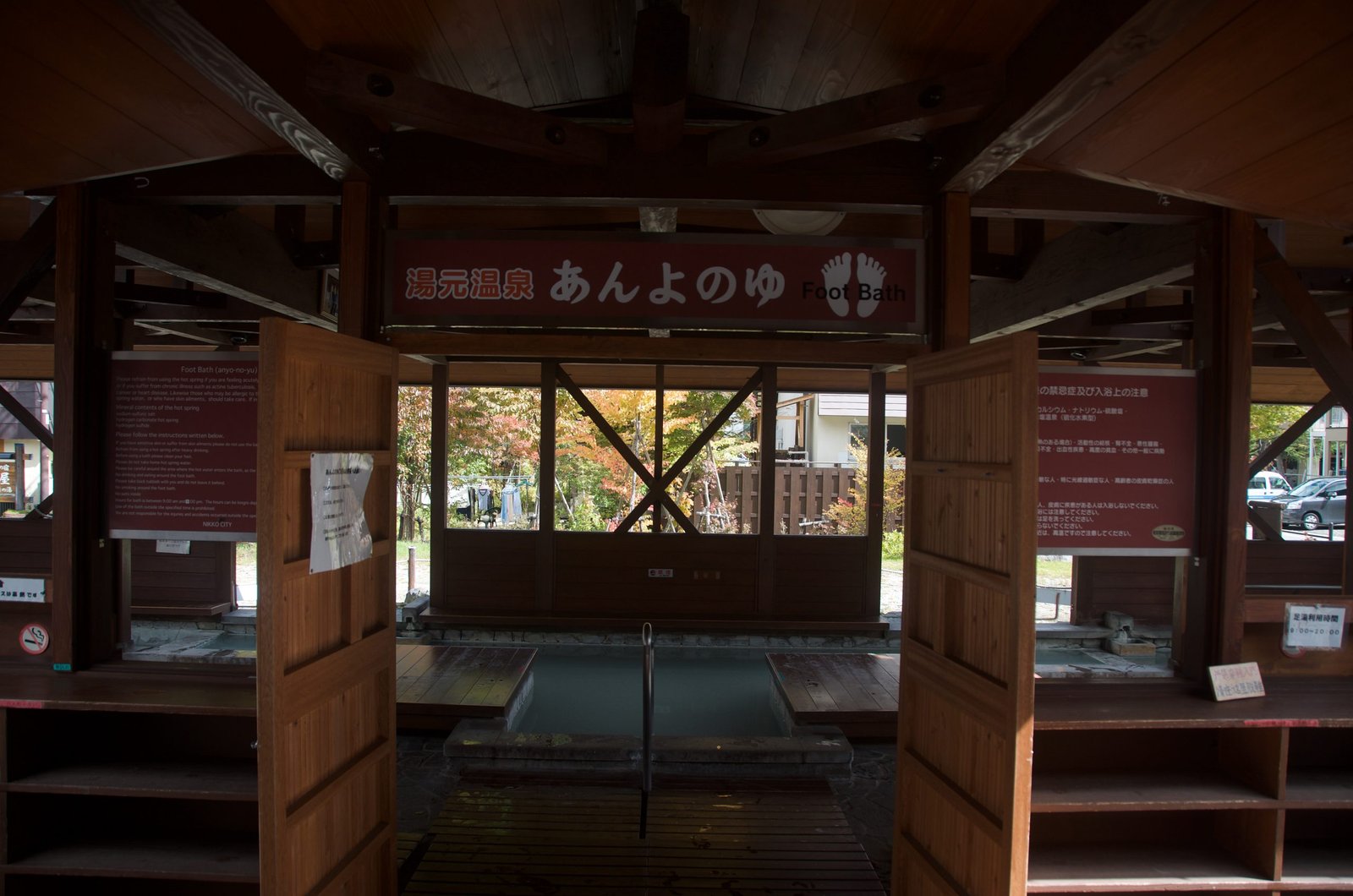
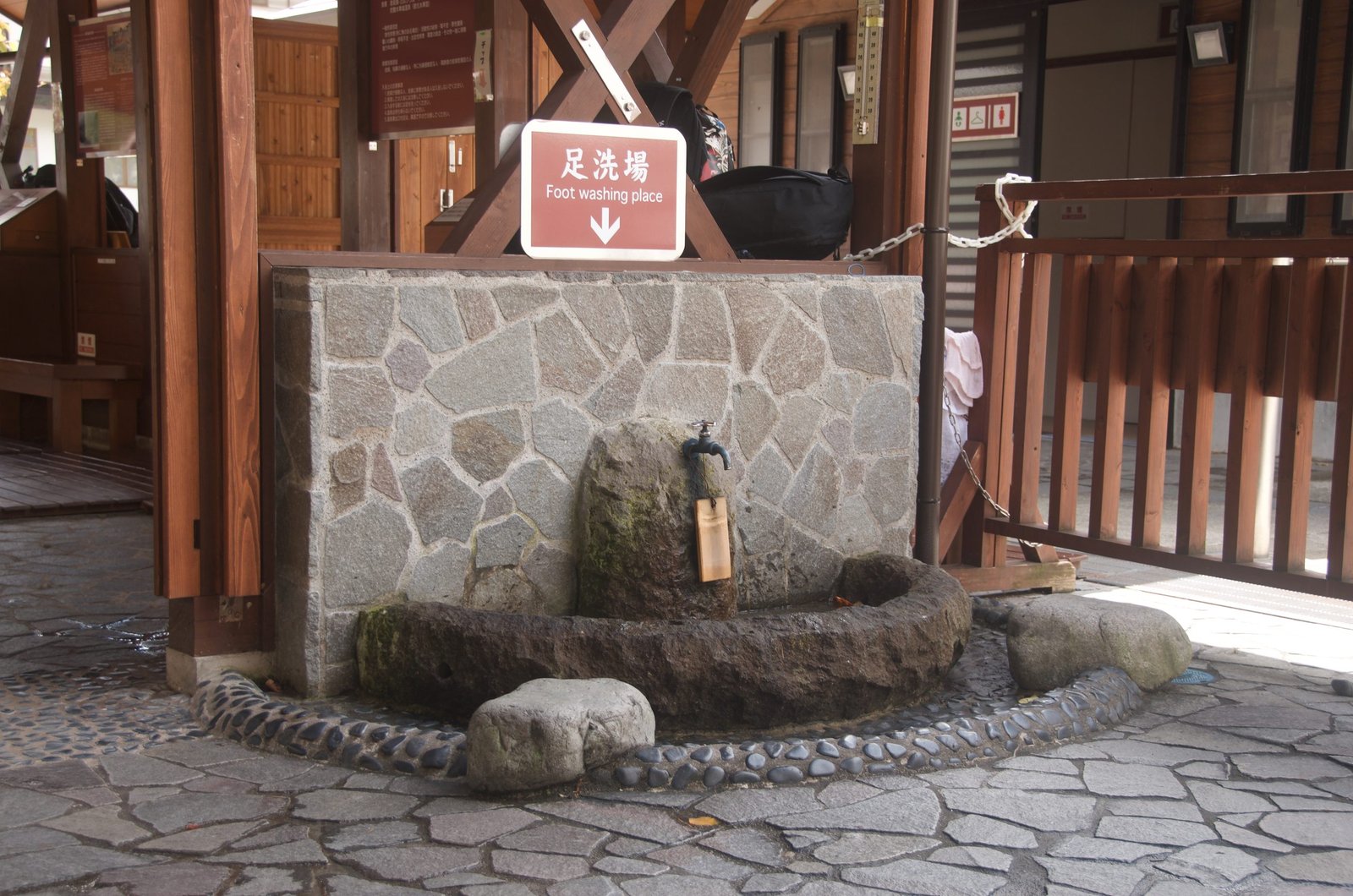
The pavilion has three sections at different temperatures — hot, hotter, and hottest. Move up as your feet acclimatise. Rinse your feet at the washing station before stepping in, and take a small towel with you for after.
Onsenji Temple
Onsenji Temple (温泉寺) stands in the Yumoto Onsen village, its wooden structure visible against the mountain backdrop from the source area. The temple was founded in 788 CE by the monk Shodo Shonin, in association with the discovery of the hot springs, and historically served as the guardian temple of the spring waters. The small structure and its setting — steam from the source, forest behind, mountains above — give it a character very different from the grand World Heritage shrine complex lower in the valley. Worth a brief visit.
Trail Hub: What Converges at Yumoto
Yumoto Onsen is where Oku-Nikko’s trails come together. It serves as the endpoint, junction, or base for:
- Senjogahara trail — the 6.3 km boardwalk from Ryuzu Waterfall ends here. Most hikers arrive at Yumoto after 2.5–5 hours on the plateau.
- Lake Yu (湯ノ湖, Yunoko) — the lake loop is a 1-hour extension from Yumoto bus terminal, adding a gentle circuit before the bath and the bus home.
- Shirane Mountain — the trailhead for Nikko’s highest peak begins at the Yumoto Camping area several hundred metres north. This is a two-day expedition; most hikers camp here on Day 1.
- Lake Karikomi & Lake Kirikomi — a 9.7 km, 4.5-hour trail to a pair of remote mountain lakes starts from near the source area. Grade II.
- Snow hiking — Yumoto is the highest elevation onsen in the area and receives heavy snow earlier than the valley. In late March and early November, this is where snow-season Senjogahara hikers end their day.
Getting to Yumoto Onsen
By bus: The Tobu Bus from Tobu Nikko Station or JR Nikko Station runs all the way to Yumoto Onsen, the final stop on the route. Journey time: approximately 60–75 minutes. You will need the Yumoto Onsen Pass or the All Nikko Pass. This is the furthest point covered by the All Nikko Pass purchased at Asakusa Station in Tokyo. Confirm the last departure time from Yumoto before you start your day — evening buses back to Nikko stop running earlier than most hikers expect.
From Earth Hostel: Free shuttle to Tobu Nikko Station or (JR) Nikko Station, running multiple times daily, then bus. For a Senjogahara + Lake Yu + Yumoto Onsen day, take the first morning bus. For a Shirane Mountain expedition, take the midday bus on Day 1 and set up camp.
Best Season
The best time to soak at Yumoto is winter. Steam from the source is at its most dramatic in cold air, the sulfuric water feels strongest against snow on your shoulders, and the village empties out — a rare quiet in one of Kanto’s best-known hot spring areas. The sulfur baths run hot through the coldest months. Note that Tobu Bus service reduces heavily in winter and the road can close after heavy snow — confirm timetables before setting out, and expect to arrange transport rather than rely on the last bus.
Spring to late autumn is the best time for the surrounding scenery. Trail season opens in May, the Senjogahara boardwalk and Lake Yu loop are at their best from June through October, and Oku-Nikko’s earliest koyo (autumn foliage) peaks around Lake Yu in mid to late September — weeks ahead of the valley. Anyo-no-yu, the free public foot bath, is open in this period and closed in winter. If you want both the trail and the soak in one day, this is the season.
Frequently Asked Questions
What kind of onsen is Yumoto?
Yumoto Onsen is a sulfuric hot spring (硫黄泉). The water is milky, mineral-rich, and has a characteristic sulfur smell stronger than most Nikko onsen. The source temperature is very high; baths are cooled to comfortable soaking temperatures. The water is traditionally considered beneficial for skin and muscle recovery.
Can I day-bathe at Yumoto without staying overnight?
Yes — many ryokan in the area offer day-use bathing (higaeri nyuyoku) for approximately ¥500–¥1,500 per person. Not every ryokan opens its baths to non-guests, and openings vary by day and season, so stop at the Nikko Yumoto Visitor Center first — staff there keep a current list of which baths are open to non-guests. For a free option, use Anyo-no-yu, the public foot bath in the centre of the village (spring to late autumn).
What is the last bus back to Nikko from Yumoto Onsen?
The last Tobu Bus from Yumoto Onsen typically departs between 6:00–7:30 PM depending on season. Always check the current timetable before setting out — missing the last bus means an overnight stay. Ask at Earth Hostel or check the Tobu Bus website the evening before.
How do I get to Yumoto Onsen from Nikko station?
Take the Tobu Bus all the way to the final stop, Yumoto Onsen — approximately 60–75 minutes from Tobu Nikko Station or JR Nikko Station. Buy the Yumoto Onsen Pass or All Nikko Pass before departing.
End Your Hike at Yumoto
Earth Hostel is 60–75 minutes from Yumoto Onsen by shuttle and bus. Our free shuttle to Tobu Nikko Station or (JR) Nikko Station runs multiple times daily, so you can catch the first bus north. The classic combination: Senjogahara in the morning, Lake Yu in the afternoon, Yumoto Onsen baths at the end. Back at Earth Hostel in time for a river swim before dinner. See all hiking trails in Nikko › Planning your Nikko trip? See our Nikko Japan FAQ for transport, seasons, and what to see.
Book Direct At Earth Hostel Nikko Riverhouse
Yumoto Onsen bus service is seasonal — verify current timetables before departing. Last bus times vary by season and day.