Nantai Mountain Northern Route — The Quiet Way Up Nikko’s Sacred Peak
The northern route up Nantai Mountain is the quiet alternative to the crowded southern climb from Futarasan Shrine. Starting near Senjogahara, it approaches Nikko’s sacred 2,486 m peak through forest and open ridge, far from the shrine-gate queues. It’s a strenuous full-day climb, best from spring to late autumn, and pairs with Nyoho for an overnight. Base yourself at Earth Hostel Nikko Riverhouse.
Almost everyone climbs Nantai Mountain from the south, straight up from Futarasan Shrine on the shore of Lake Chuzenji. The northern route is the one almost nobody takes. It approaches the same 2,486 m sacred summit from the back of the mountain, via a quiet forest road and the Shizu Hut valley — and on most days you’ll have the whole trail to yourself. It is one of the quieter routes in our Nikko hiking guide.
This is a full-day hike for fit, experienced walkers. It’s a touch shorter to the top than the southern route once you’re past the approach road, but the trail is wilder, narrower, and less marked — which is exactly the appeal. It’s the route to take when you’ve already done the standard Nantai climb, or when you simply want a Nikko summit day without the crowds.
Trail at a Glance
| Distance | ~13 km round trip (Sanbonmatsu > summit > return) |
| Duration | ~7 hours — a full day |
| Difficulty | Strenuous — Grade III |
| Trailhead | Sanbonmatsu, Senjogahara |
| Summit | 2,486 m |
| Elevation Gain | ~1,250 m total (~850 m from Shizu Hut ) |
| Trail Type | Out-and-back |
| Best Season | Late May – October |
| Bus Access | Tobu Bus from Nikko Station toward Yumoto Onsen > Sanbonmatsu |
| National Park | Yes — Nikko National Park |
| Entry Fee | None (the northern approach skips the shrine gate) |
| Extend it? | Optional overnight at the free Shizu Hut lets you link Nyoho Mountain into a two-day trip — see below |
Base yourself at Earth Hostel Nikko Riverhouse: free morning shuttle to Nikko Station, no curfew for early starts, and the Kurokawa River outside the door for when you get back.
Why Take the Northern Route?
The southern Nantai trail from Futarasan Shrine is a fine climb — but it’s busy, it costs ¥500 to pass through the shrine, and you share it with hundreds of people on a summer weekend.
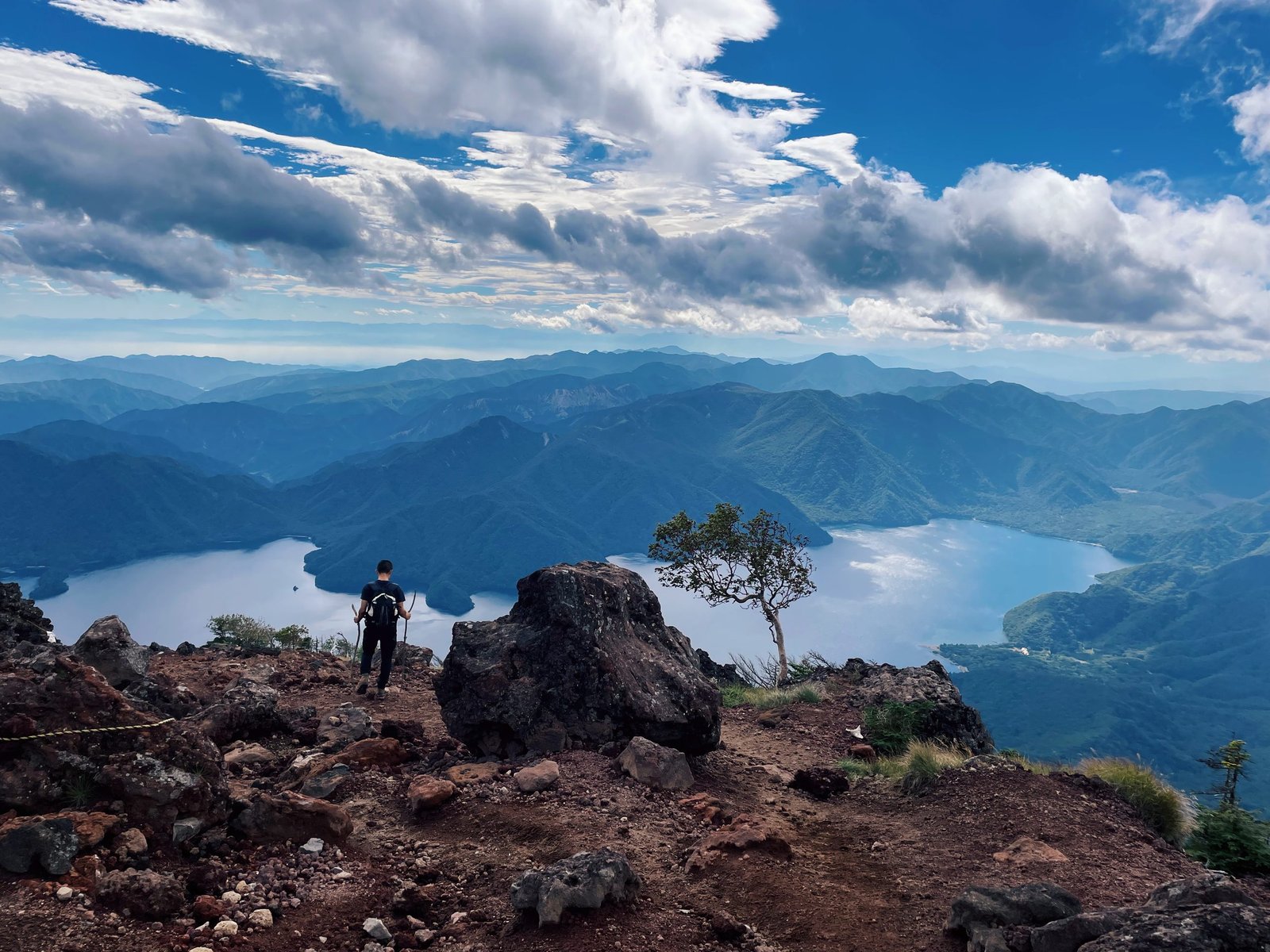
The northern approach is the opposite experience. The walk in from Sanbonmatsu follows a quiet, nearly flat forest road through the valley behind the mountain. The climb itself — the “back side” of Nantai — is more interesting terrain than the tourist route: narrower, with sections of light scrambling, and a trail that asks you to pay attention. The summit is identical: the sacred Okumiya shrine, the iron sword pointing skyward, and the panorama of Lake Chuzenji and the full Nikko range below. You just arrive from a different direction, with Nyoho Mountain standing across the valley to the east — and usually no one else around.
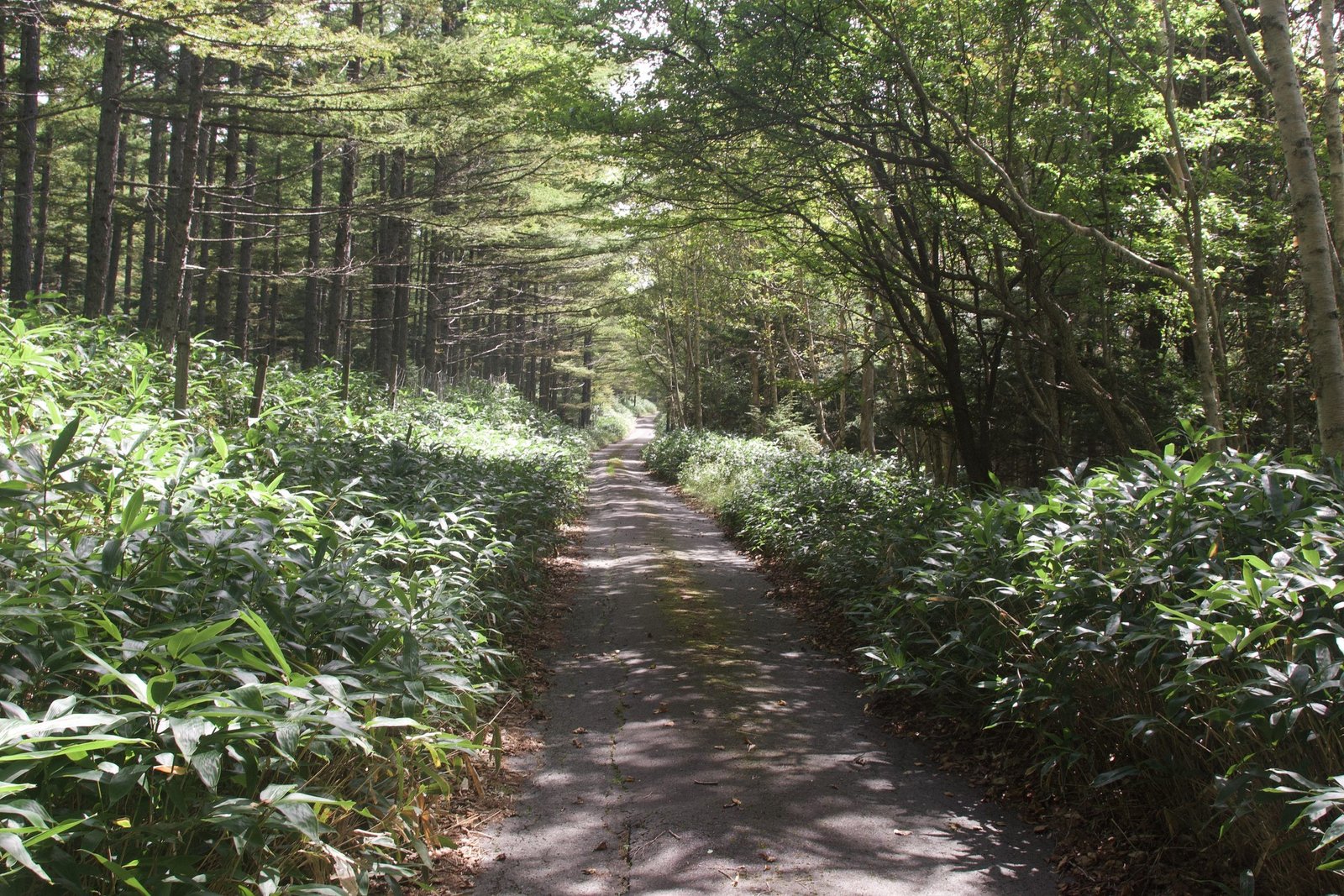
The one catch is the approach. The forest road from Sanbonmatsu to the trail proper is gated to vehicles, so it’s about an hour’s walk in each way (a 4WD can shorten this, but most people won’t have one). That extra walking is what makes this a full day rather than a quick climb — but it’s also what buys you the solitude.
Getting to the Trailhead
By bus from Nikko (no car needed): From JR Nikko or Tobu Nikko station, take the Tobu Bus bound for Nikko Yumoto Onsen and get off at Sanbonmatsu, on the edge of the Senjogahara plateau. Journey time is roughly 50–60 minutes, and the bus runs several times a day. An All Nikko Pass covers the route and is well worth buying at the station.
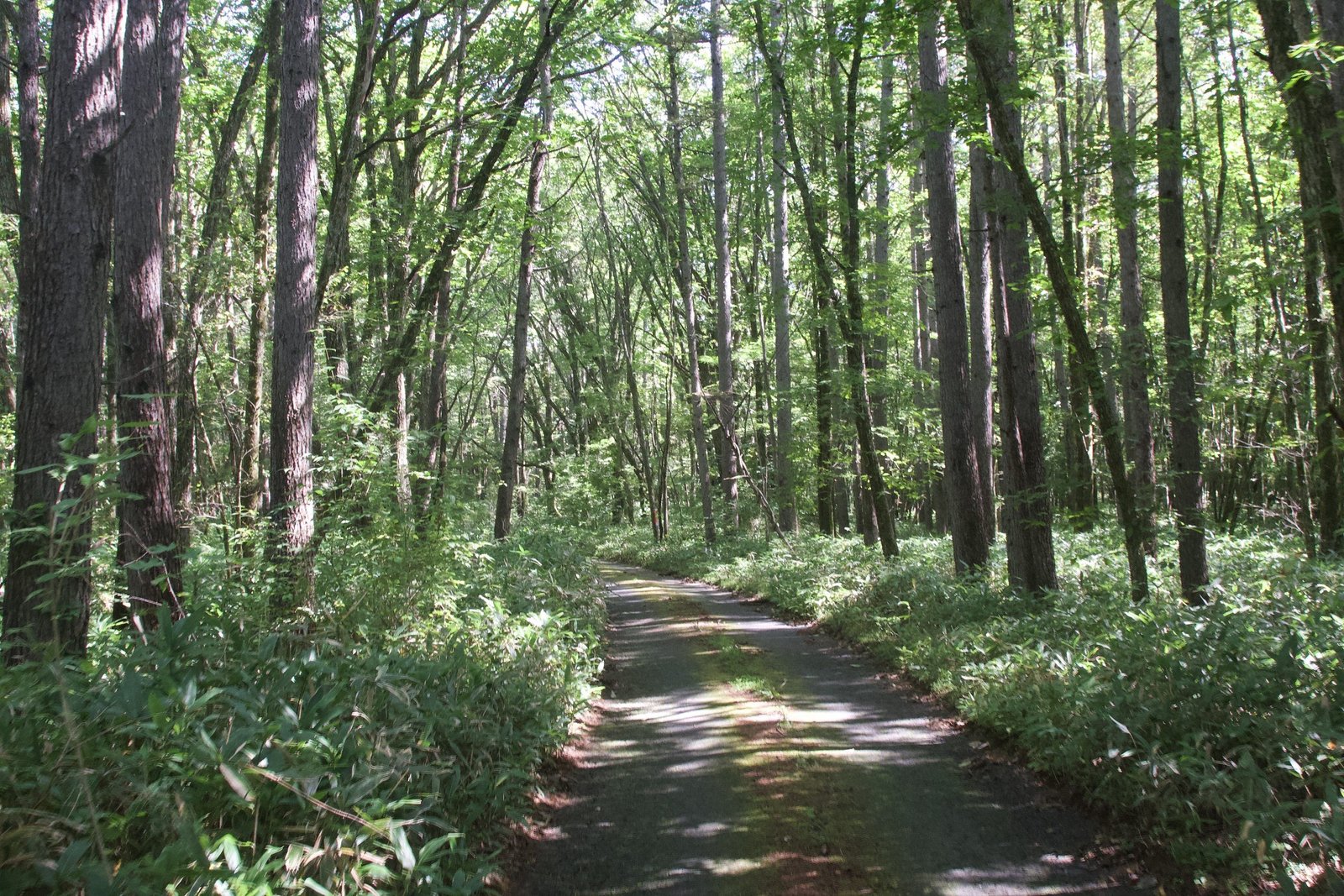
From Sanbonmatsu, follow the Ura-Nantai Forest Road into the valley. Allow about an hour on foot to reach the start of the climbing trail near Shizu Hut.
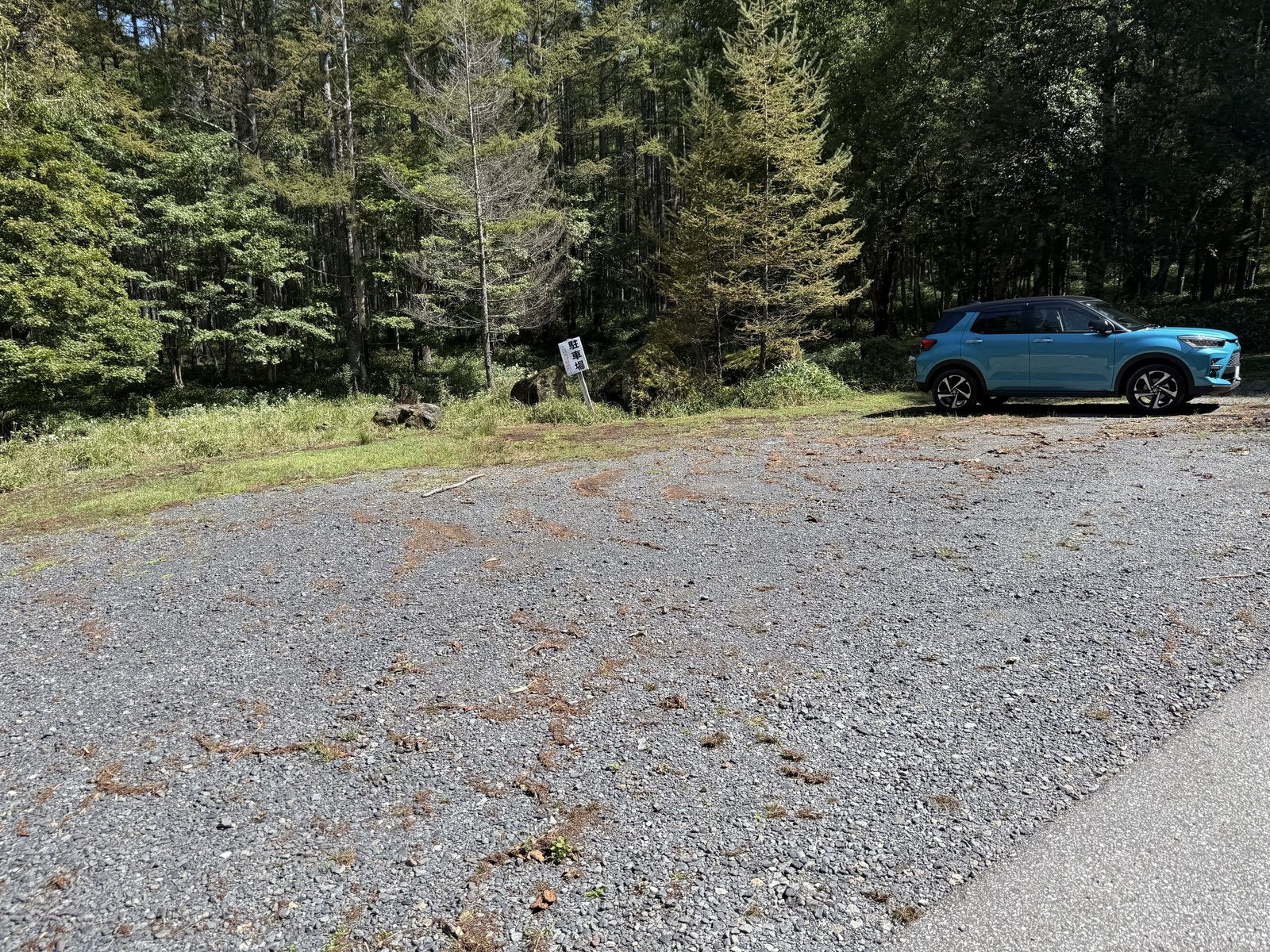
By car (4WD): Take Route 120 toward Senjogahara, then the Ura-Nantai Forest Road. Park at Bonji Hanba Ato — parking isn’t allowed at Shizu Pass itself. From there it’s roughly 45 minutes on foot to the trail. The upper road is narrow and can be slippery; 4WD is recommended.
From Earth Hostel: Take the free morning shuttle to Nikko Station (6–10 AM), then the Yumoto bus to Sanbonmatsu. Catch the 6 AM shuttle and you’ll be walking the forest road by around 9 AM — a comfortable margin for a full-day round trip with time to spare. Because there’s no curfew at the hostel, a late return after a long day is never a problem. Let the team know your plans the night before and we can confirm the return shuttle timing and current trail conditions.
The Hike
Sanbonmatsu to Shizu Hut valley (forest road, ~1 hour): The Ura-Nantai Forest Road heads north into thick, quiet forest. The gradient is nearly flat — this is a gentle approach, not a climb. On autumn mornings the light through the beech and oak is extraordinary. You’ll pass the Shizu Emergency Hut in a clearing in the valley between Nantai and Nyoho.
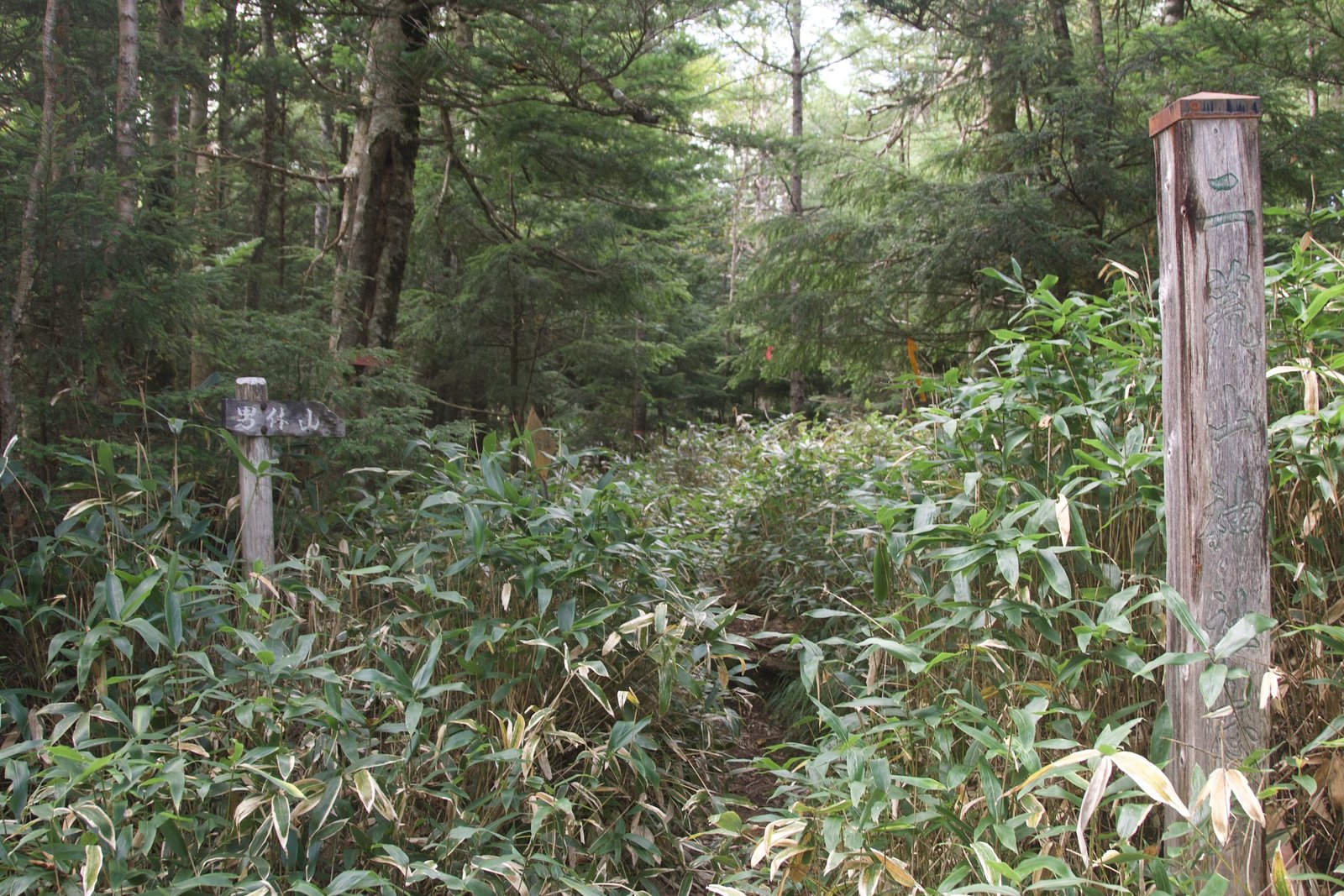
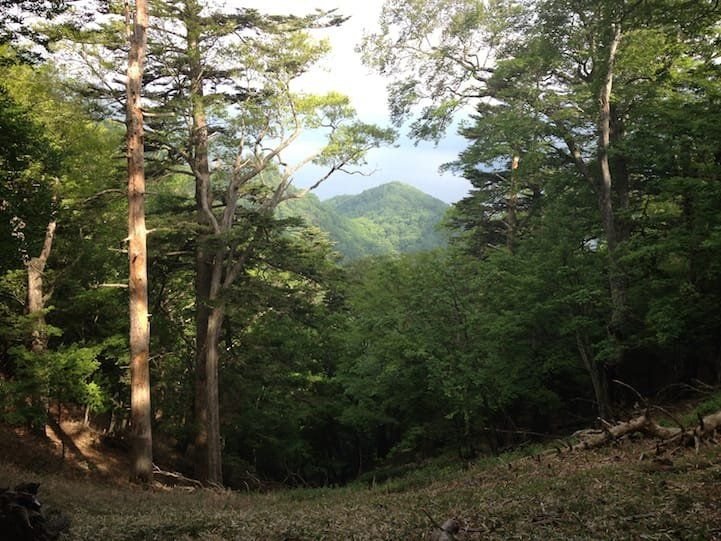
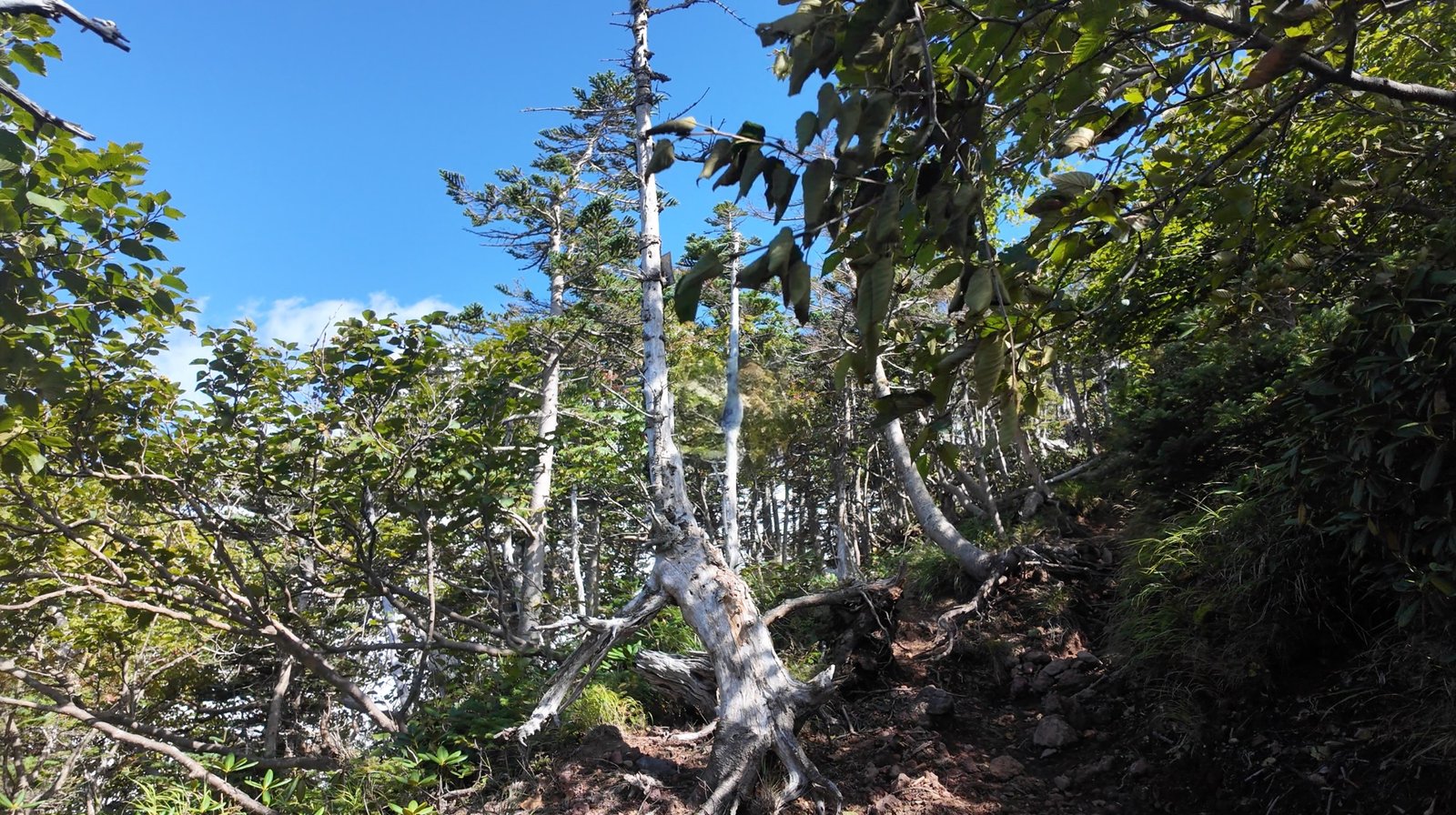
The climb to the summit (~2–2.5 hours up): The northern trail begins behind the hut and climbs immediately and steeply through dense forest. Unlike the broad southern path, this trail is narrow and lightly used — markers are pink tape and the occasional painted stone, so stay alert through the mid-section, where the route is easiest to lose. The forest thins around 2,100 m; the final approach involves some light scrambling and a steep volcanic ridge to the summit.
Want to see what the busier front side looks like first? Our standard Nantai south-face climb guide walks the classic ascent from Futarasan Shrine, with photos of the trail the whole way up.
The summit (2,486 m): The same sacred peak as the southern route — the Okumiya inner shrine, the iron sword, and views in every direction over Lake Chuzenji and the Nikko mountains. Allow 20–30 minutes before heading down.
Descent (~2 hours + the forest road back): Retrace the trail to the hut, then the forest road back to Sanbonmatsu for the bus. Trekking poles help a lot on the loose volcanic descent.
Want to Make It Two Days? Add Nyoho Mountain
The northern route opens up one of the best multi-day options in Nikko — but you don’t need a hotel near the trailhead to do it. The smart way to run this is with Earth Hostel as your basecamp on both ends: arrive, drop your spare gear at the hostel, head up with a light overnight pack, and come back to the river, a hot shower, laundry, and a shared dinner before the train home.
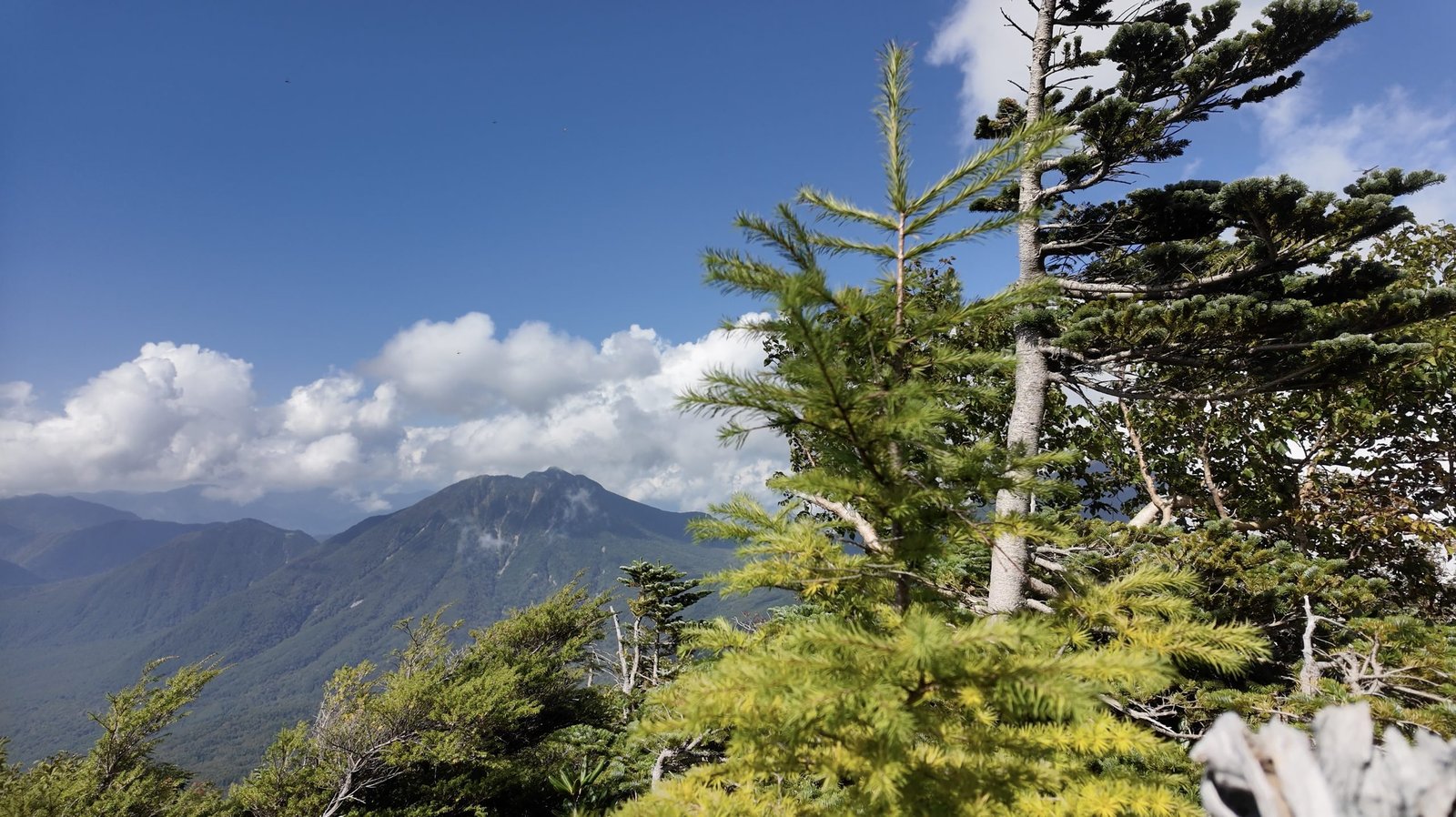
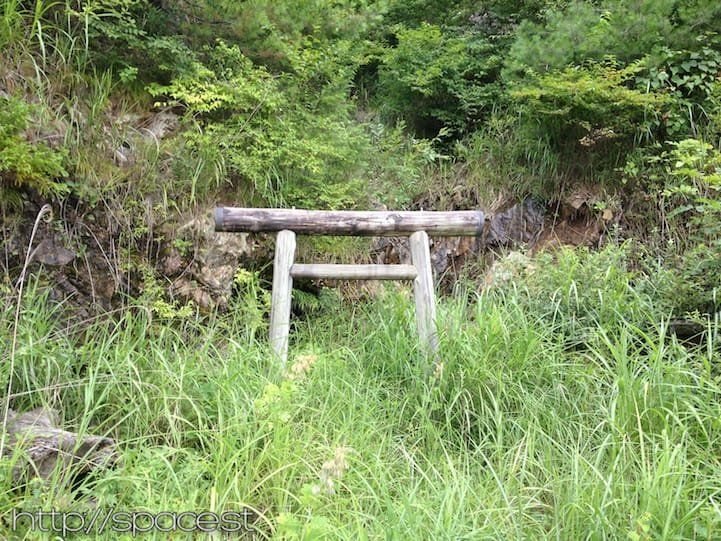
The Shizu Emergency Hut is a large, free, unlocked public shelter in the valley — no booking, no fee, no caretaker. Sleeping there for one night lets you climb both Nantai and neighbouring Nyoho Mountain (2,483 m) across two days: summit Nantai on day one, sleep at the hut, then take on Nyoho’s barren ridgeline and chain-assisted sections on day two before walking out. It’s a genuine backcountry experience — you carry everything, including a sleeping bag, food, and a stove — and the valley at night, with no light pollution, is one of the best places near Nikko to see the Milky Way.
If that’s your plan, see the full Nyoho Mountain guide and tell us at check-in — we can help you time the buses and store your gear.
What to Bring
For the day hike:
- Trekking boots — the volcanic upper section and wet ground need ankle support
- At least 2 litres of water per person, plus food for the day
- Trekking poles (strongly recommended for the descent)
- Rain gear and warm layers — the ridge above 2,200 m is fully exposed
- Headtorch, in case the long day runs late
- Paper map (Yama-to-Kogen Chizu #13 Nikko) — phone signal is poor in the valley
- Cash for the bus, or an All Nikko Pass bought in advance
- A bag for your rubbish — pack everything out
Adding the Nyoho overnight? Also bring a sleeping bag and mat (the hut has no bedding; nights at 1,630 m drop to 5–10°C even in summer), a backpacking stove and fuel, and a 35–40 litre pack. Leave the rest of your luggage at the hostel.
Best Season and Conditions
| Season | Conditions | Notes |
|---|---|---|
| Before late May | Snow on the road and trail | Don’t attempt; the forest road can be impassable |
| Late May – June | Open, cool, clear | Excellent; some snow may linger near the summit in early season |
| July – August | Hot in the valley, cool up high | Ideal; start early to beat the heat on the approach road |
| September – October | Best clear weather; foliage from mid-October | Peak season for views — book the hostel early |
| After October | Conditions deteriorate fast | The shrine’s southern climbing season ends; treat the north as out of season |
Nearby After the Hike
On the way back to Nikko, Sanbonmatsu is on the same bus line as Yumoto Onsen — a natural sulphur hot spring about 20 minutes further up, and the perfect place to soak tired legs before the ride down. Then it’s the shuttle back to Earth Hostel Nikko Riverhouse and a dip in the Kurokawa River if the timing’s right.
Book Direct At Earth Hostel Nikko Riverhouse
Frequently Asked Questions
Is the Nantai Northern Route a day hike or a two-day trip? It’s a full-day hike — most people climb it and return to Nikko the same day. It only becomes a two-day trip if you choose to sleep at the free Shizu Hut in order to also climb neighbouring Nyoho Mountain. Either way, Earth Hostel makes the most sense as your base.
Is this route suitable for beginners? No. It’s a Grade III full-day route with steep, lightly marked terrain and a long approach. Do the standard Nantai southern route first if you’re newer to Nikko’s mountains.
How do I get to Sanbonmatsu from Nikko Station? Take the Tobu Bus toward Nikko Yumoto Onsen and get off at Sanbonmatsu (三本松), about 50–60 minutes. An All Nikko Pass covers it.
Do I need to book the Shizu Hut? No — it’s a free, unlocked public emergency shelter, only relevant if you choose to extend the trip to include Nyoho. Bring all your own gear, including sleeping equipment, food, and a stove.
Is there an entry fee? No. The ¥500 fee applies only to the Futarasan Shrine approach on the southern route. The northern trail is free.
Is the northern trail open year-round? In practice, late May to October. The forest road is snowbound earlier, and conditions above the treeline become dangerous in late autumn and winter.
Plan Your Climb from Earth Hostel
Earth Hostel Nikko Riverhouse is the natural base for this hike — whether you do it in a day or stretch it across two with the Nyoho overnight. The free shuttle gets you to the morning Yumoto bus, there’s no curfew for early starts or late returns, and we know the current trail and bus timing for both Nantai routes. Store spare gear with us, do your laundry on the way back, and recover in the river before the train home. We’re 20–40 minutes from most Nikko trailheads by bus from Nikko Station.